Rast Diversion with Angelos Krallis-Panos Charalambous, organized by 3 137, in the framework of All of Greece, One Culture. Graphic Design by Panos Papanagiotou.
RAST Diversion is a site-specific installation and sonic event by Panos Charalambous and Angelos Krallis, deeply rooted in the geomythology of the Achelous River—a living archive where natural phenomena become inscribed in human narratives as both memory and transformative force. Conceived especially for the harbor deck— the neosoikos, or “house of the ship”—at the Oiniades archaeological site, the work unfolds in a space where the river once met the sea. This work responds to my ecofeminist invitation, one sensible to the relation with water and vulnerable communities.
Long before the Achelous River’s fertile sediments created new land, an ancient port thrived here. Ship sheds once facilitated the steady flow of vessels, bridging human endeavor and the mutable currents of water. Though Oiniades now lies inland, in antiquity it boasted multiple harbors, with this particular shipyard among the best- preserved in the Mediterranean.
At the heart of RAST Diversion lies an intricate interplay of diversion—the river’s natural meanders interwoven with humanity’s attempts to control, reroute, and domesticate its waters. This tension extends beyond the physical to cultural acts of deviation and transgression— gestures that disrupt established power structures and reconfigure our relationship with water and land. Here, the work embraces a profound paradigm shift inspired by the cultural theorist Astrida Neimanis: nature, particularly water, is not a resource to be owned or controlled, but a collaborator with whom we are always entangled. We think with water is emphasizing a relational ethics of care, vulnerability, and mutuality that challenges anthropocentric domination. This relationality demands moving beyond occupation toward a mode of co-existence—listening and responding to water as an agent in our shared environment.
Central to the work is the myth of the battle between Achelous and Hercules over Princess Deianeira. The river god, transforming into a mighty bull, is defeated and left with a broken horn—a potent symbol of the river’s diversion and a metaphor for reshaping the past as a resource for future navigation. This myth prefigures centuries of human interventions in the Aetolia-Acarnania landscape, a legacy that extends into present-day plans to divert the river toward Thessaly.
This reconfiguration of power and narrative echoes Yves Citton’s recent theorization of mythocracy—a form of collective governance shaped by the power of myth as a shared reality that converges flows of desire, belief, and memory. In RAST Diversion, mythocracy emerges as a framework for understanding how cultural narratives around the river and its transformations shape communal identity and agency. The installation invites us to engage with myth not as static legend but as a living political force, one that shapes how communities imagine and enact their relationship with the environment. In this sense, myth becomes a tool of both resistance and reorientation, enabling alternative forms of collective power rooted in ecological attunement rather than exploitation and extraction.
Charalambous channels these tensions into sculptural form: irrigation pipes wind through the space in a serpentine succession, evoking both the sinuous body of Achelous and the grounded, land- bound networks of modern agricultural control. This serpent motif recalls Aby Warburg’s Ritual of the Serpent, a meditation on how ancient cultures sought to appease nature’s forces through ritual, magic and prayer. Warburg noted that pre-technological cultures, lacking water control, turned to ritual to survive and coexist with the natural elements. Yet, unlike Warburg’s external ethnographic perspective on Indigenous American population,
Charalambous adopts an auto-ethnographic approach, drawing on his lived experience with the rural and fishing communities of Xiromero and Lake Amvrakia. This embodied knowledge reflects a vulnerable population deeply interdependent with their environment—a condition not of choice but of situated, inseparable identity. The irrigation pipes, transformed from mere agricultural tools into living, sinuous forms, crystallize a critical reflection on myth, technology, and landscape. Invoking Warburg’s serpent ritual situates contemporary environmental management as an echo of ancestral negotiations with the more-than-human world.
A boat from Lake Amvrakia—an emblem of subsistence from Charalambous’ rural home— becomes a musical instrument, carrying the intertwined stories of local life and ecological entanglement. This gesture weaves personal memory with collective struggle over land and water, prompting reflection on who controls these vital resources. Charalambous dances a deconstructed tsamiko—a traditional dance—stretched and elongated on marble surfaces.
Sound becomes a site of deviation and transcendence. Angelos Krallis creates a sonic palimpsest based on the rast makam. Through live processing, micro-sounds, and the incorporation of field recordings, he reimagines rast, transforming it into a dynamic soundscape that resists categorization.The concept of ritournelle, as articulated by Deleuze and Guattari, runs through the work: a recurring motif that carves out a temporary territory within chaos — a sound that becomes a place, only to be abandoned and transformed. It is this existential gesture that animates my practice with modular synthesis.
The work as a whole opens up a new era in which listening becomes a political act — a gesture of attunement to voices and ecologies that resist human dominance — a kind of phonocene. Oracles, invocations, songs as instruments of desire and magic become forces that affect and move bodies, as Vinciane Despret suggests — animated beyond the purely acoustic, the work becomes enlivened by a transcendent force.
Office of Hydrocommons
https://officeofhydrocommons.com/: Publications and texts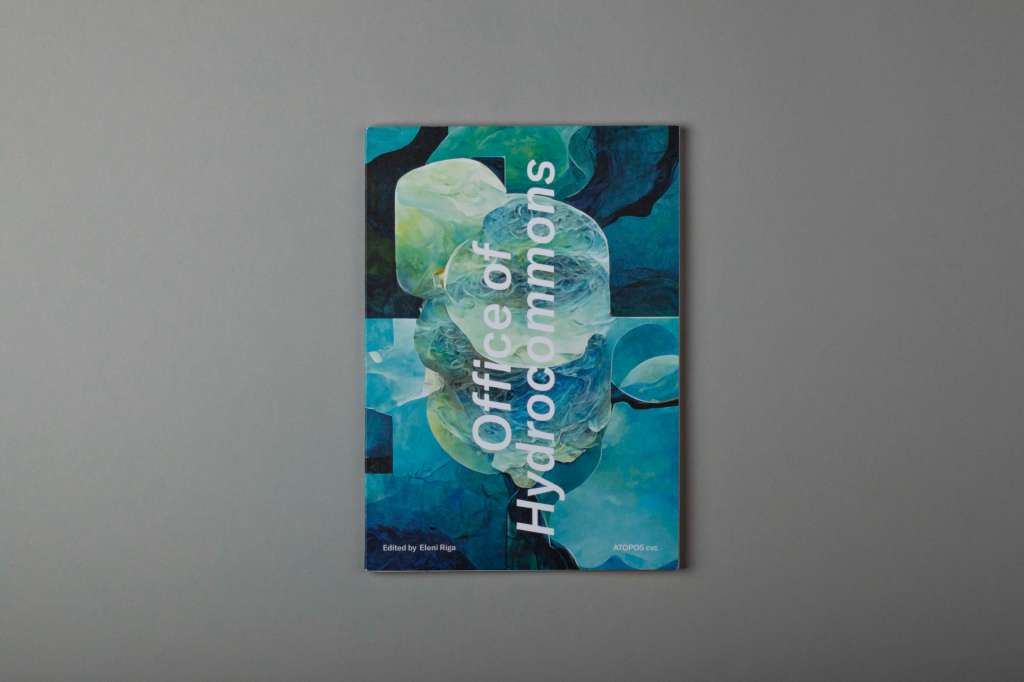
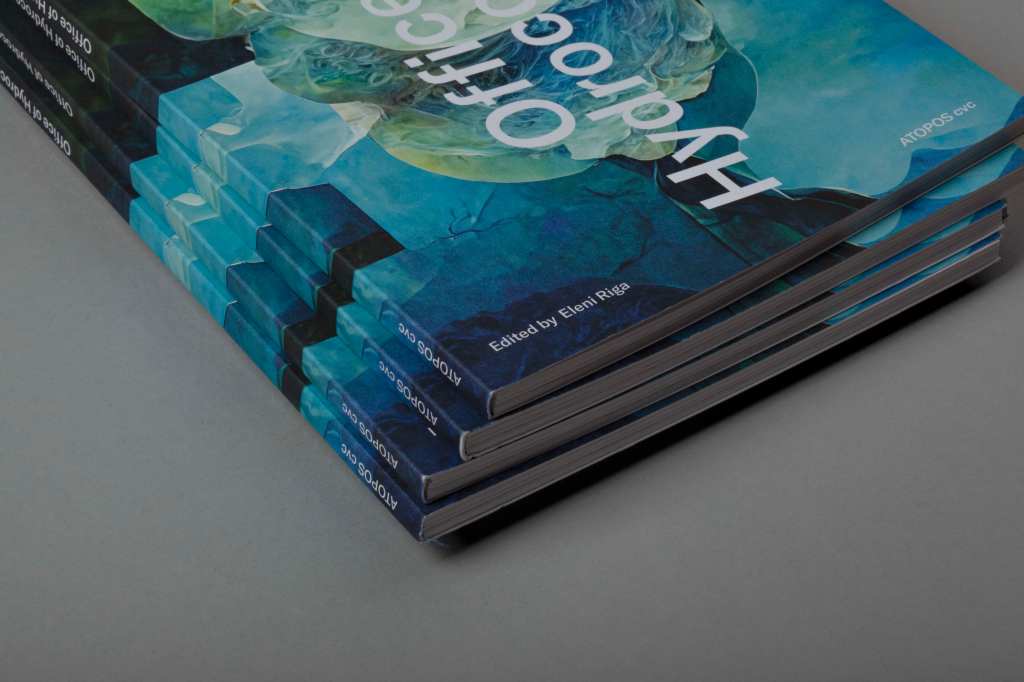
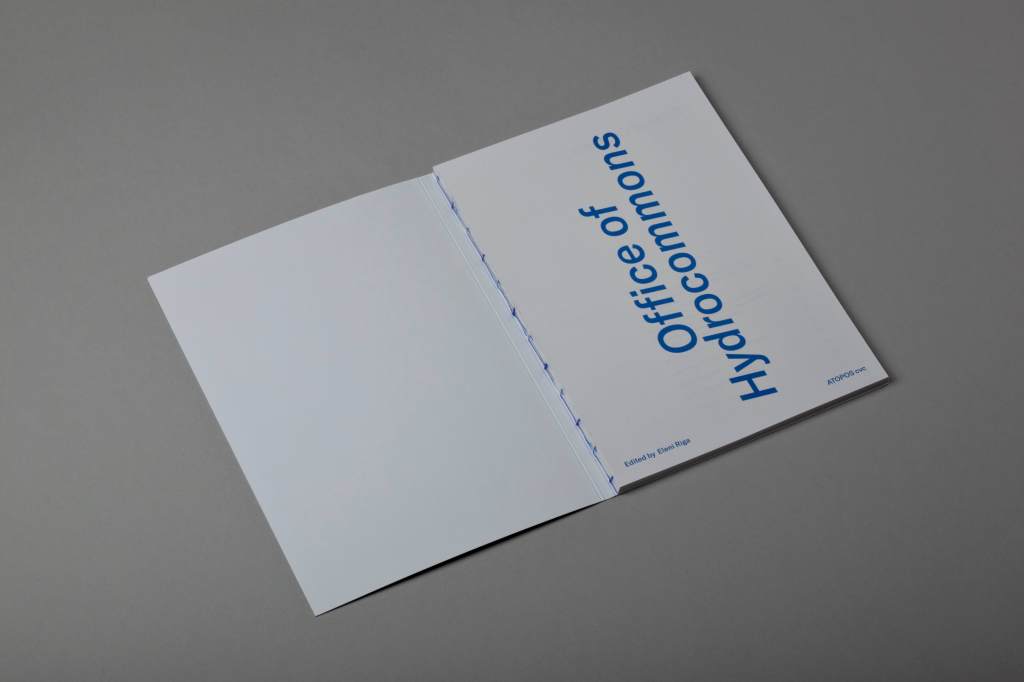
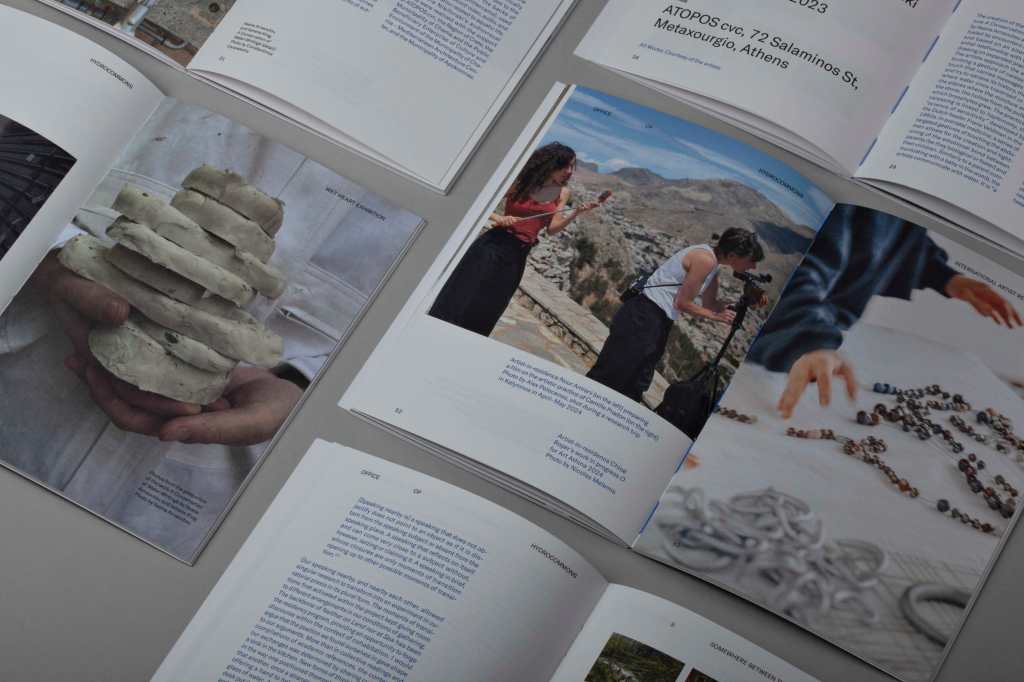
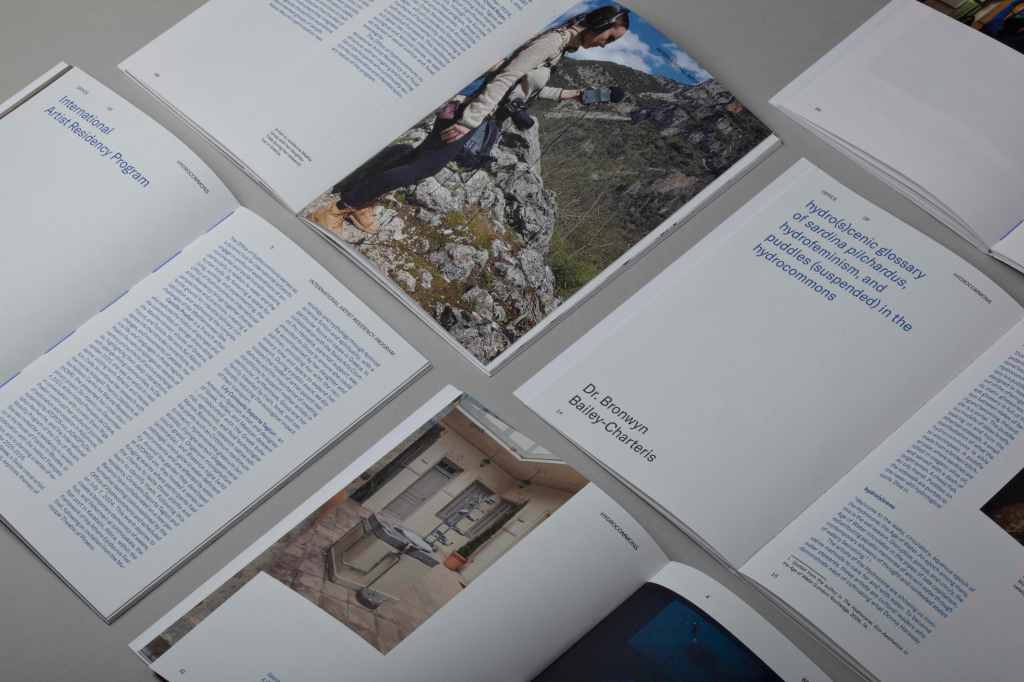
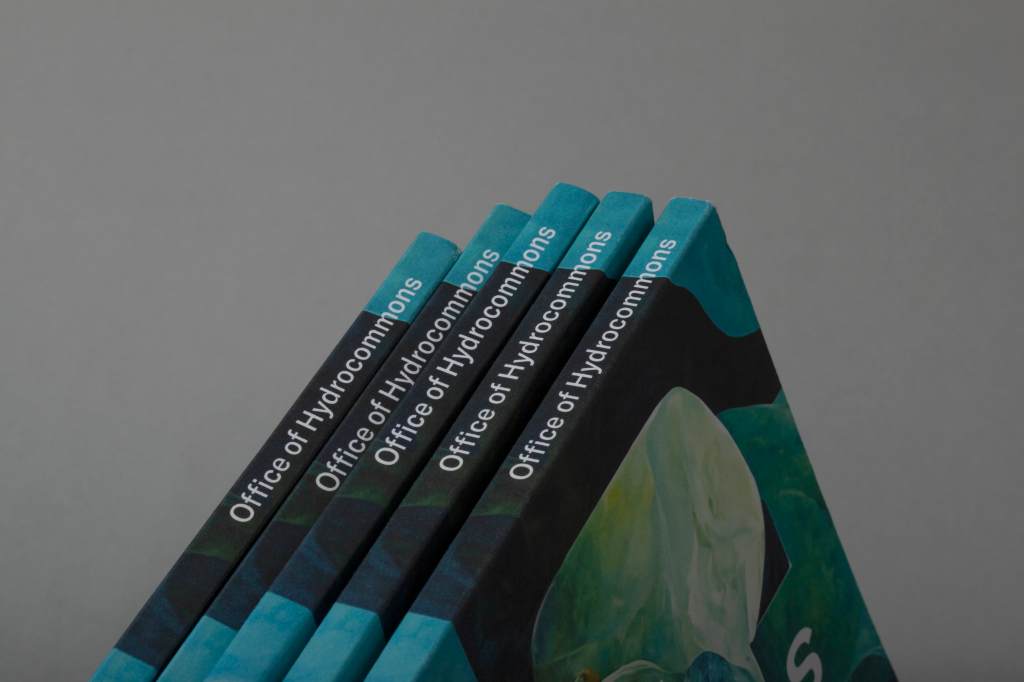
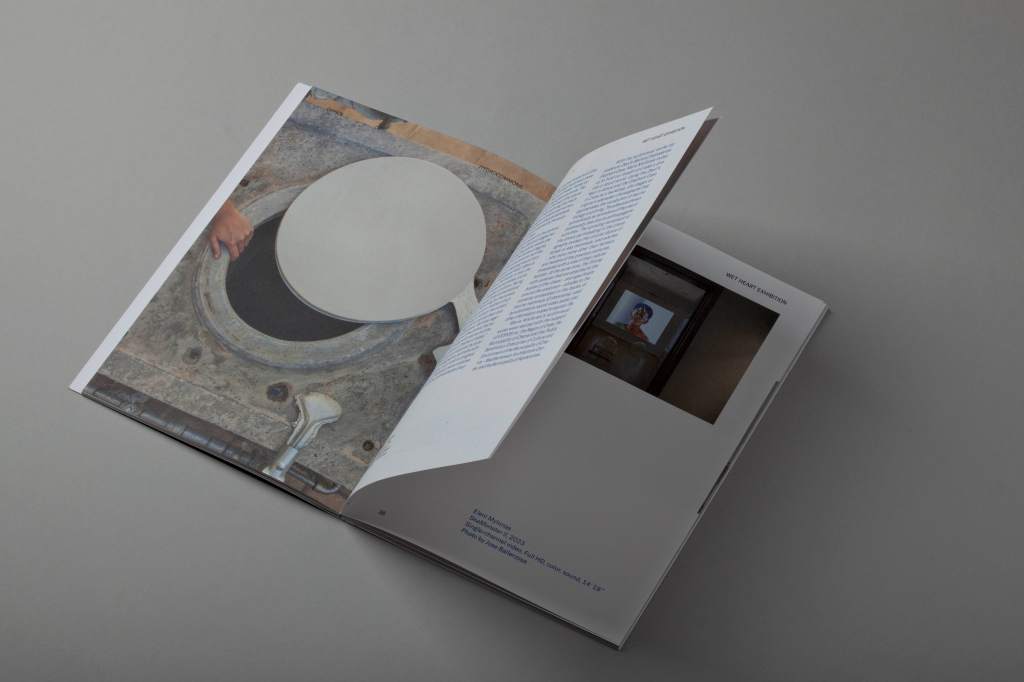
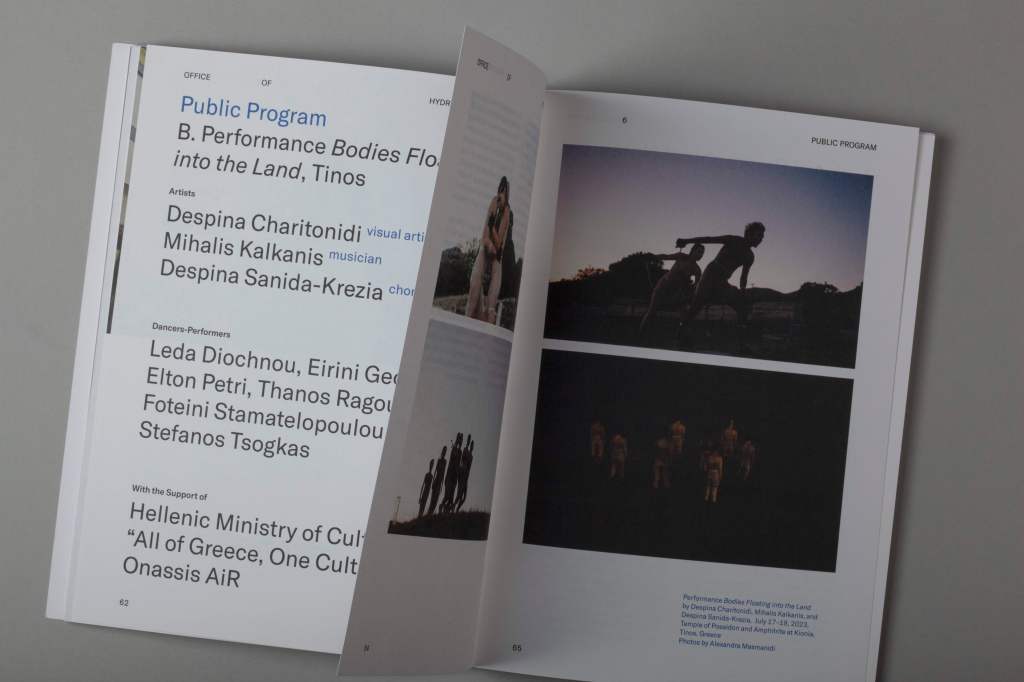
Dimensions 165 x 235mm
70 pages + cover (4)
Language English
ISBN 978-960-89637-7-1
Price 20 euros
Order here: https://atopos.gr/shop/shops/books/office-of-hydrocommons/

About the publication:

The publication Office of Hydrocommons, edited by Eleni Riga and published by ATOPOS cvc, highlights the work of “hydro-researchers” and “eco-visionaries” from diverse fields such as the arts, marine biology, agronomy, urbanism, sports, and activism. These contributors address interconnected environmental and social challenges in the Mediterranean Sea.

The book also features insightful essays on artistic and curatorial practices with water, as well as essential engagements with the Mediterranean as a critical geography. Contributors include Dr. Bronwyn Bailey-Charteris (author of The Hydrocene: Eco-Aesthetics in the Age of Water, 2024, Routhledge), Chiara Cartuccia (Visiting Curator 2022/24 at UNIDEE / Fondazione Pistoletto for the biennial program Neither on Land nor at Sea and Director of the curatorial platform EX NUNC), and Eleni Riga, curator of the Office of Hydrocommons.

The publication was designed by Panos Papanagiotou, printed and binded by Vivliotechnia. The copy editing and proofreading was done by EG (Eleanna Papathanasiadi and Geli Mademli).

The Office of Hydrocommons was conceived and curated by Eleni Riga, initiated through a commission by ATOPOS cvc Artistic Director Vassilis Zidianakis within the #OccupyAtopos framework, and continues to build lasting partnerships globally.
DIMITRA CHARAMANDAS
PALE SHAPES OF LIVERS AND KIDNEYS
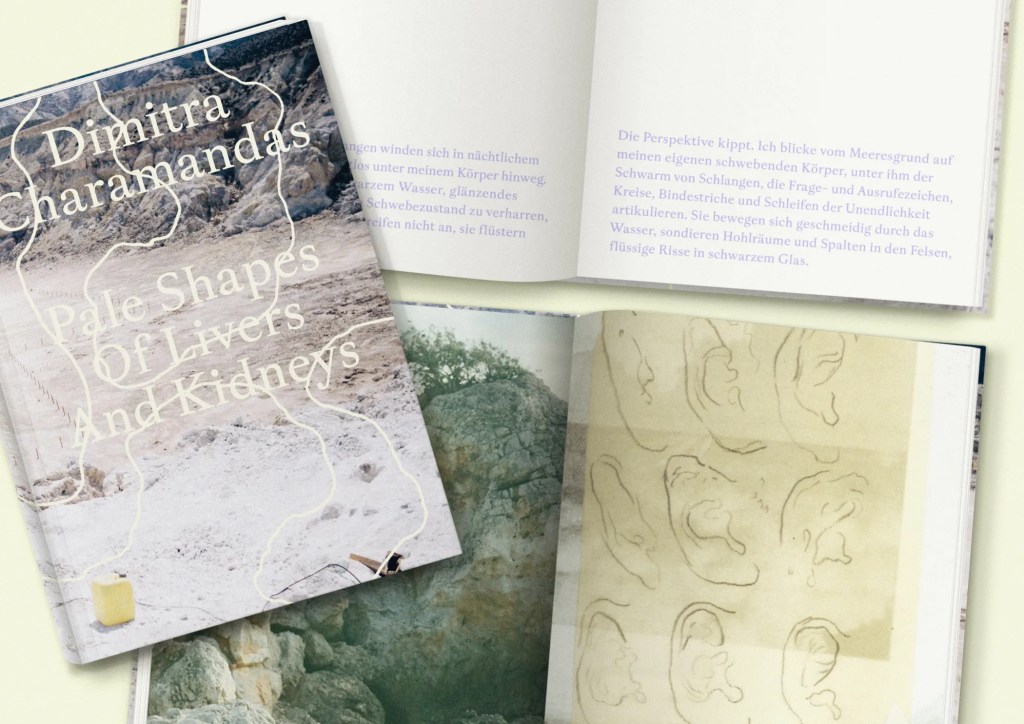
I was happy to participate to PALE SHAPES OF LIVERS AND KIDNEYS by Dimitra Charamandas along with texts by the artist and Lara el Gibaly. Graphic Design: Martina Meier Bureau Mia, Zurich. Produced by Kunstmuseum Solothurn
Case_L by Georgia Sagri
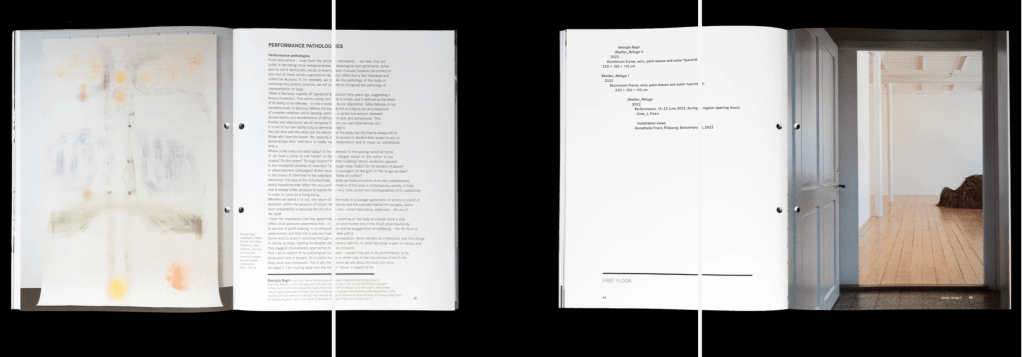
Published by Kunsthalle Friart Fribourg on the occasion of the exhibition Georgia Sagri, Case_L, 10 June – 31 July 2022.
It was an immense pleasure being the assistant curator of the exhibition and the publication coordinator. Texts by Nicolas Bruhlart, André Lepecki, Georgia Sagri, Monika Szewczyk.
Published by Friart Kunsthalle, 2022
Design by Yvonne Quirmbach
Monographs
 Eleni Riga