05.14 -07.10.2021
Curated by Eleni Riga at Callirrhoë with works by Hellen Ascoli, Edgar Calel, Regina José Galindo, Sandra Monterroso and Naufus Ramirez-Figueroa.
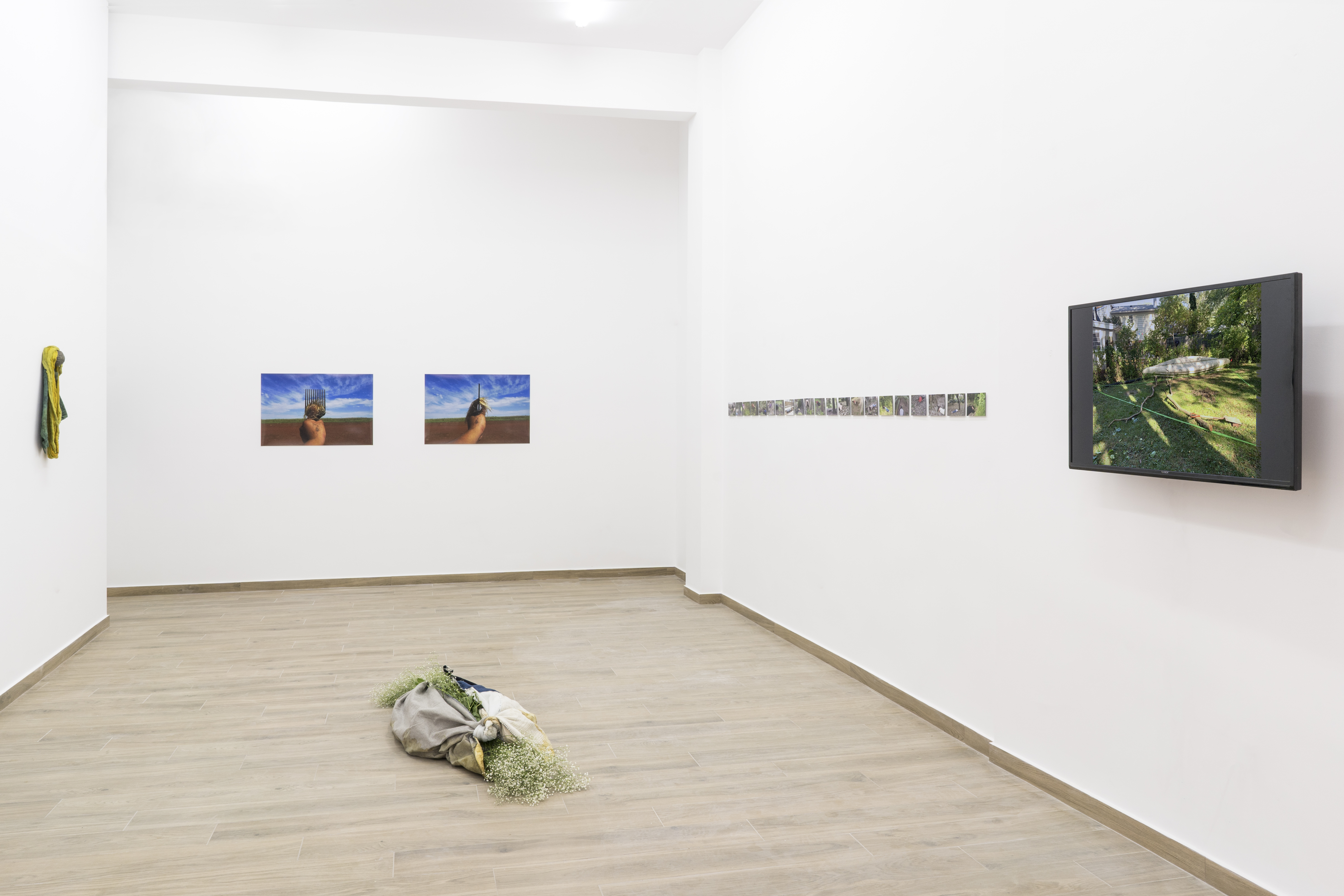
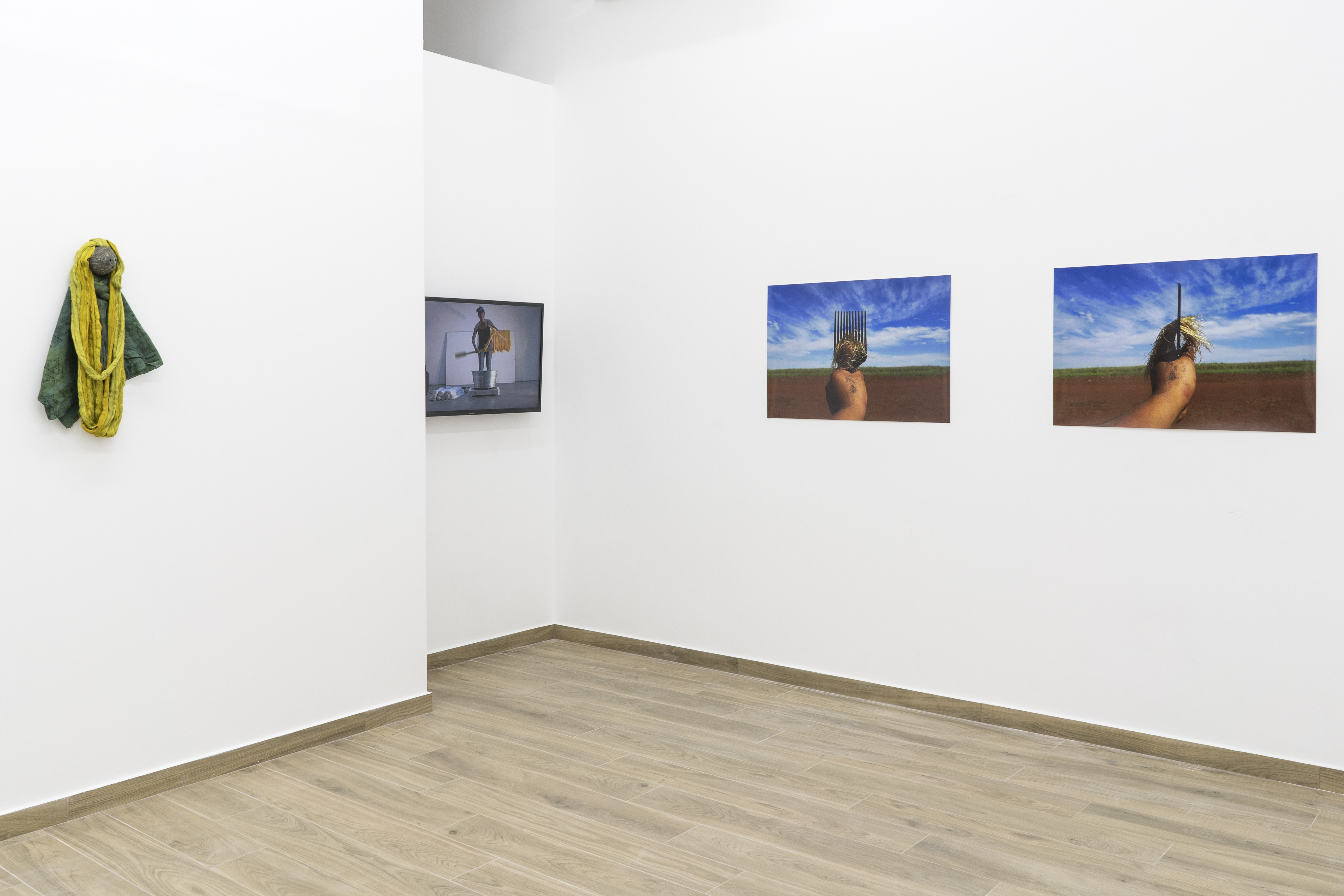
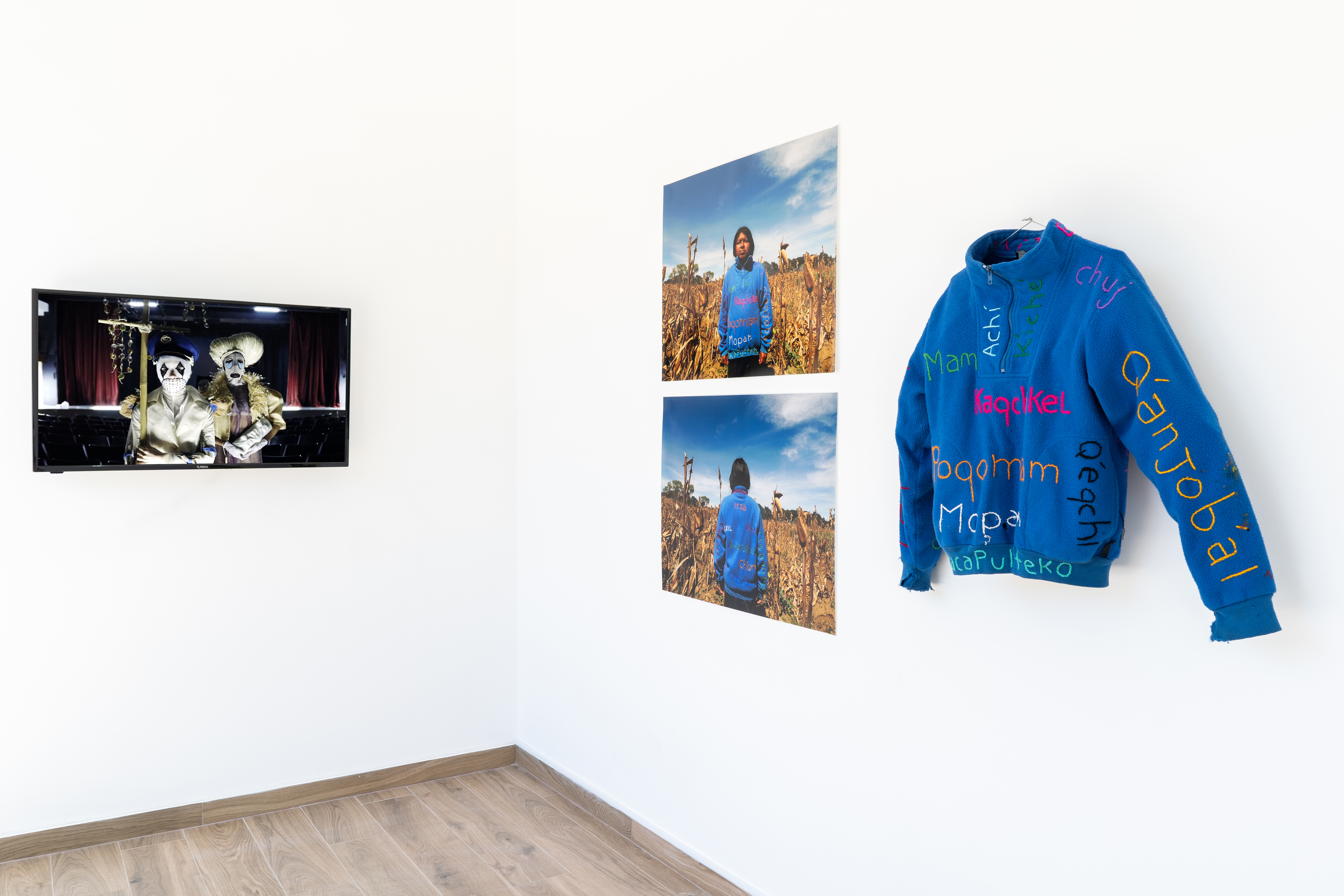
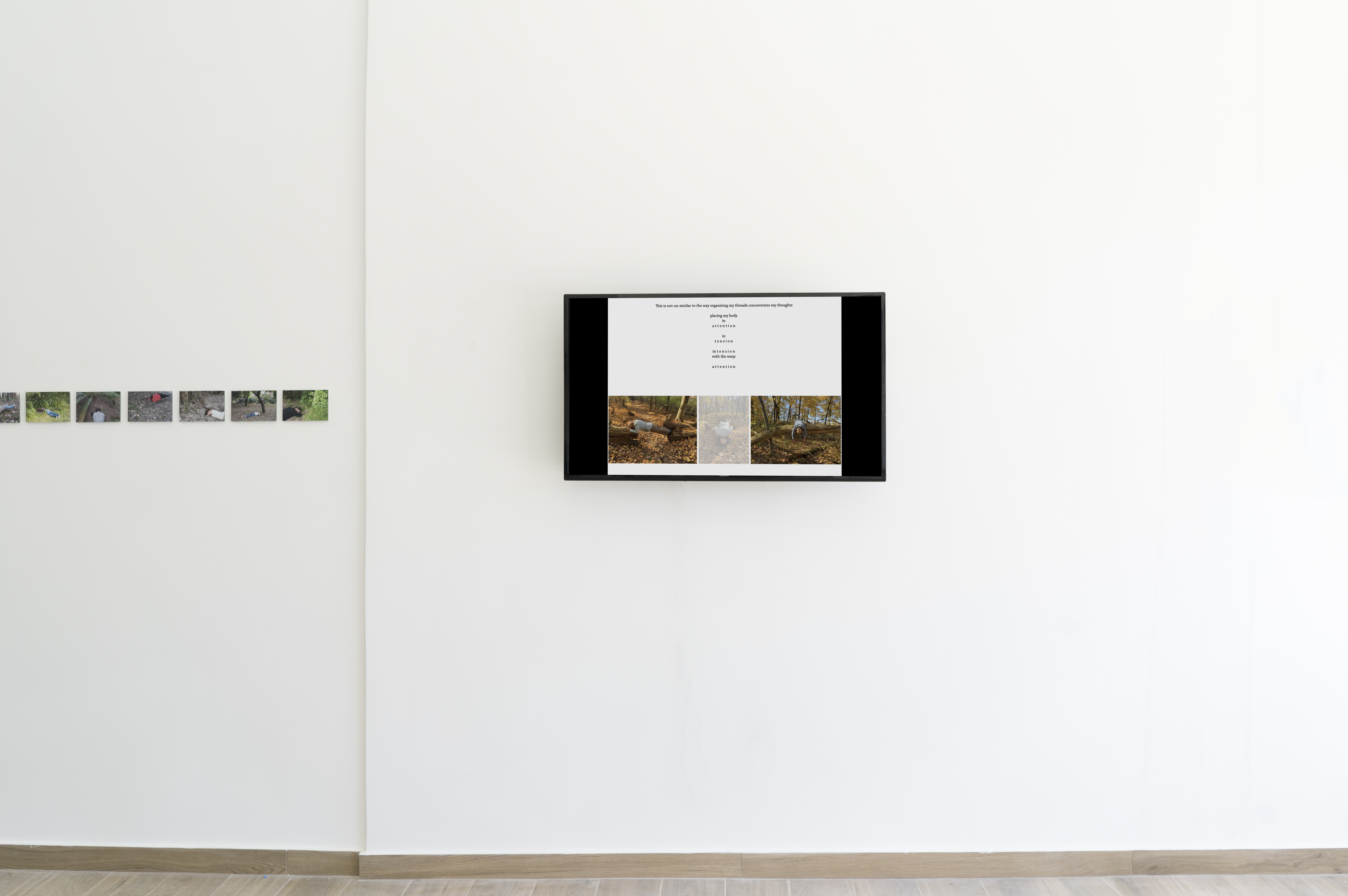
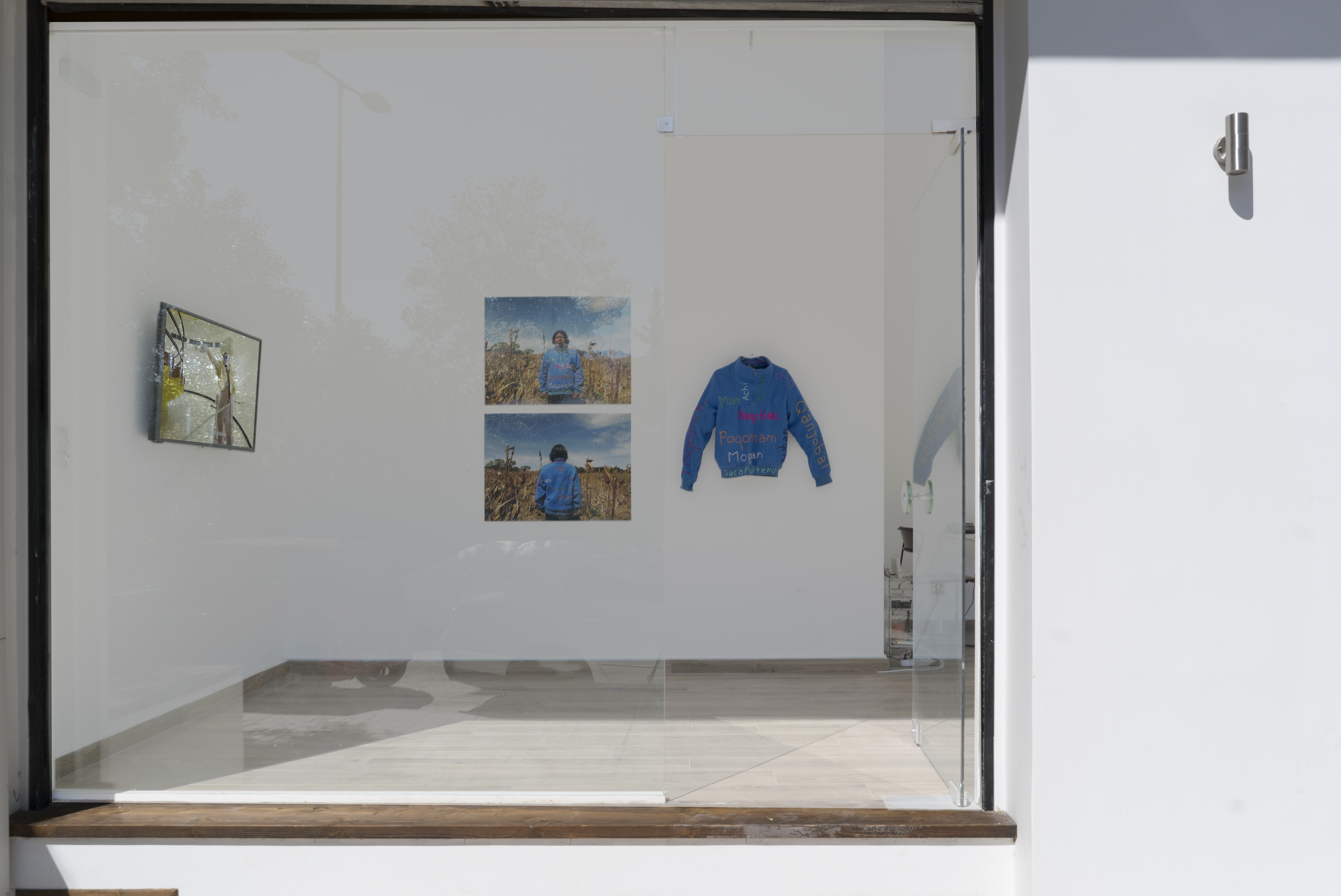
The exhibition Radical Empathies focuses on the intersection of feminism and ecology featuring artists from Guatemala where authoritarian regimes as well as western interventionism have brutally inscribed their politics on all bodies: human, animal, plant and celestial. These bodies, vulnerable, unstable and transient deflect fixed notions of violence and provide a space of resistance and resilience. Throughout the exhibition the body is considered to be a medium of transmitting knowledge, social memory and identity without separating the knowledge from the knower.1 Speaking from a South-South interrelation, empathy is yet another strategy we use to show that these urgencies, the abuse of people identifying as women and all the people who do not benefit from the patriarchal institution as well as climate change are not limited in the interior of geographical borders.
Personally, I value empathy as an exercise of understanding and connecting with the others and the cosmos.Nevertheless, I hadn’t fully grasped its inherent complexities until I moved to the North. Empathy could be associated with the reproduction of paternalism since it denotes a position of power. In Octavia Butler’s science fiction novel, The Parable of the Sower (1993), the female protagonist is born with hyperempathy, the ability to physically experience the feelings of others (both pain and pleasure) while she lives in a futuristic society in decay due to global warming. Butler interrogates the relationship between feelings and politics, creating an ambivalent situation. Her main character doesn’t only preach but actually creates a grassroots political movement. From this grey area between tools for personal transformation and political act, I am attempting to talk from a position of interdependence of systems of oppression.
 Eleni Riga
Laisser un commentaire