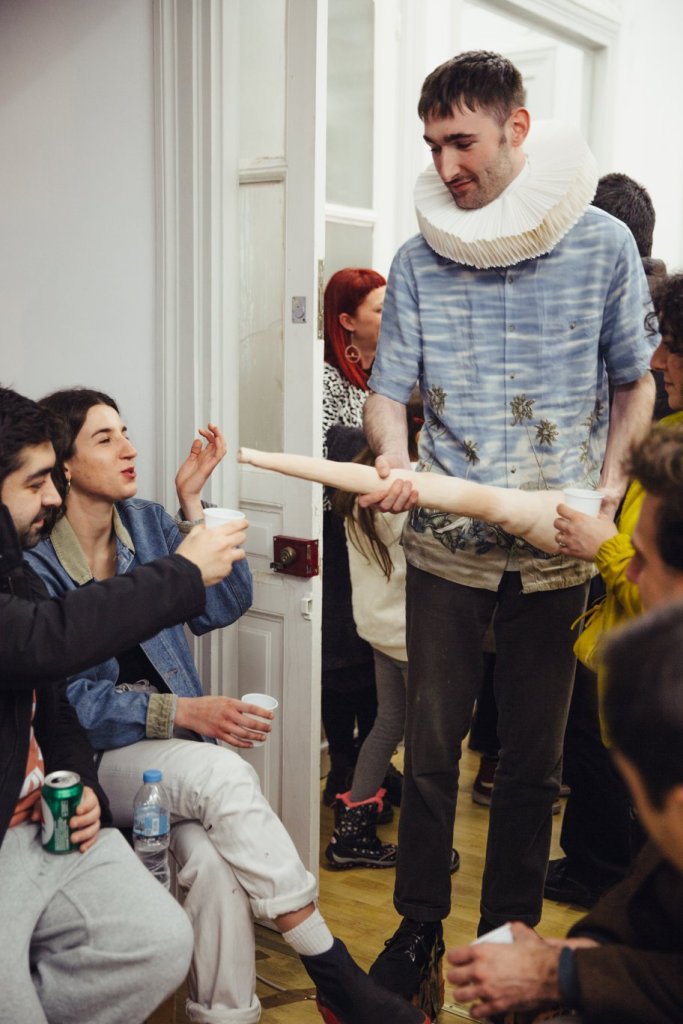
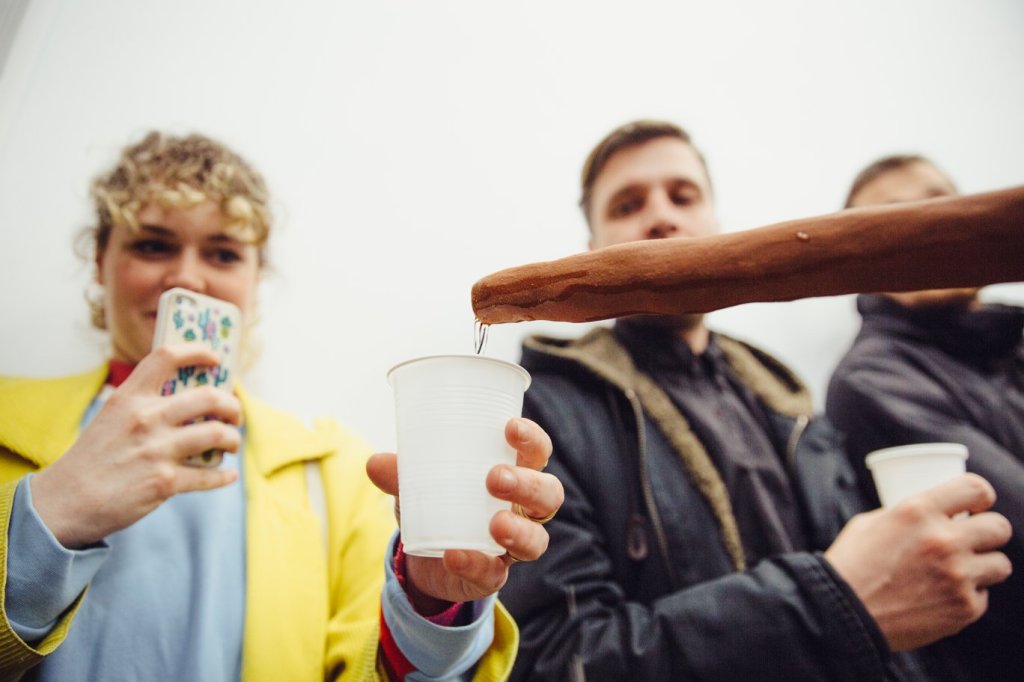
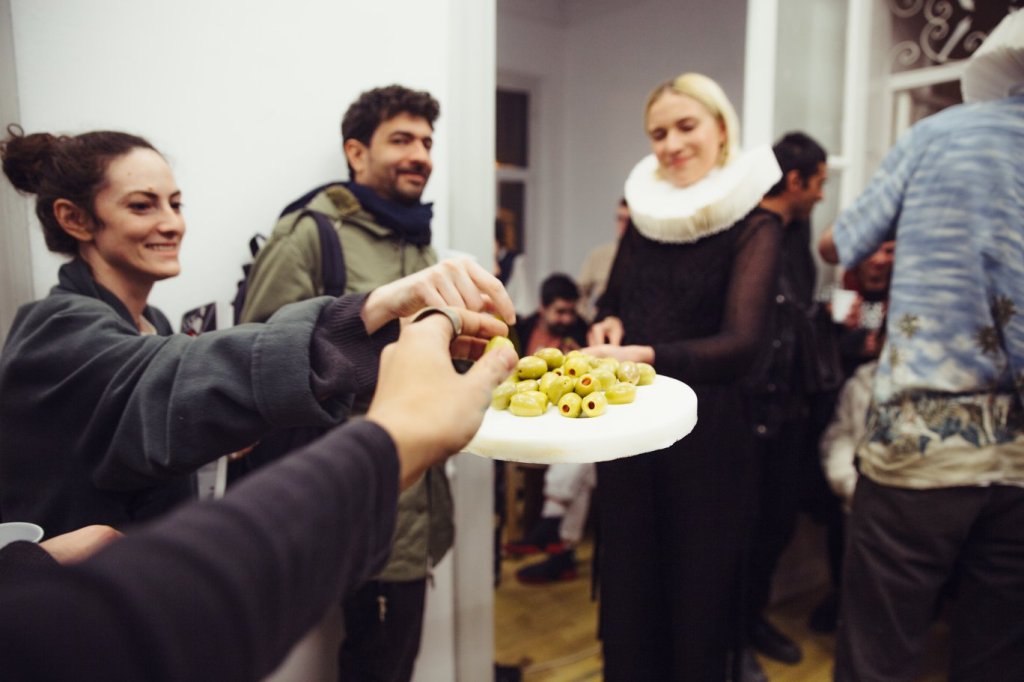
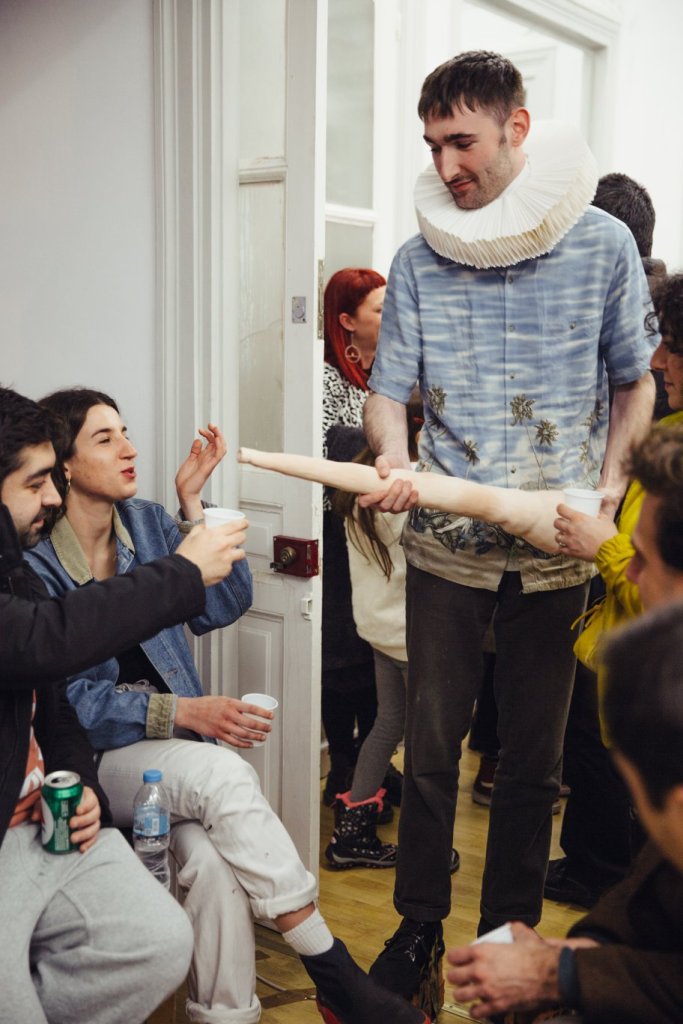
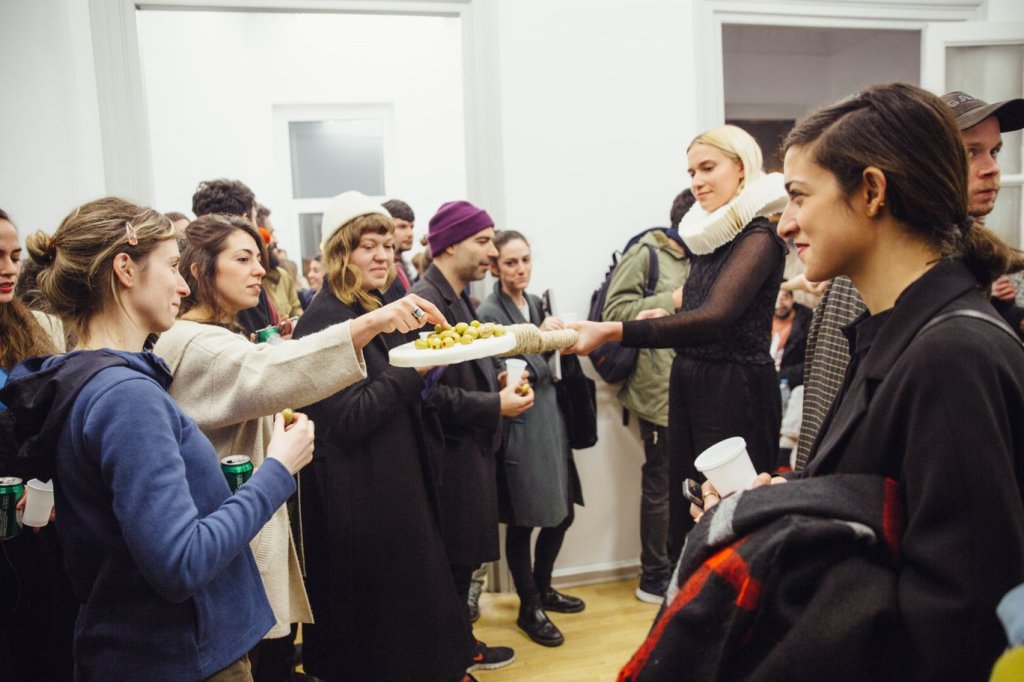
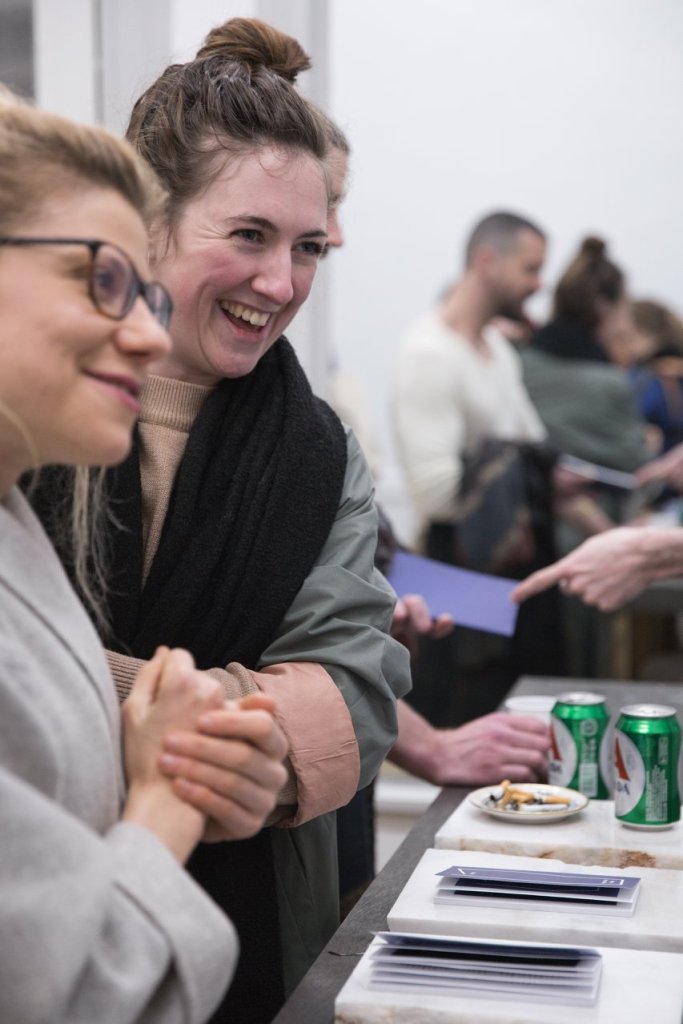
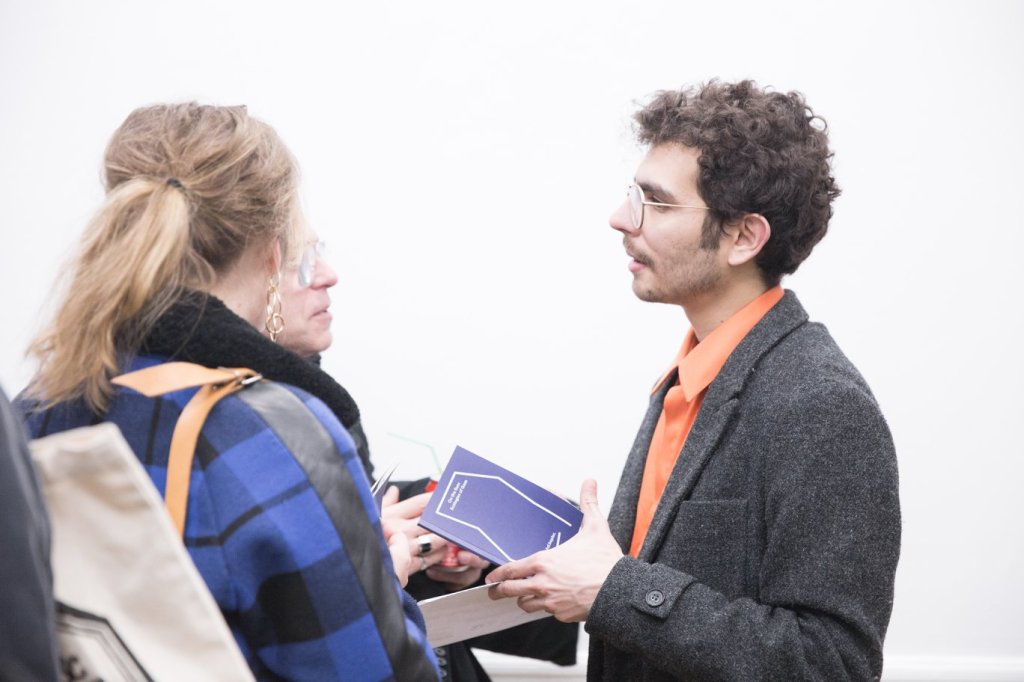
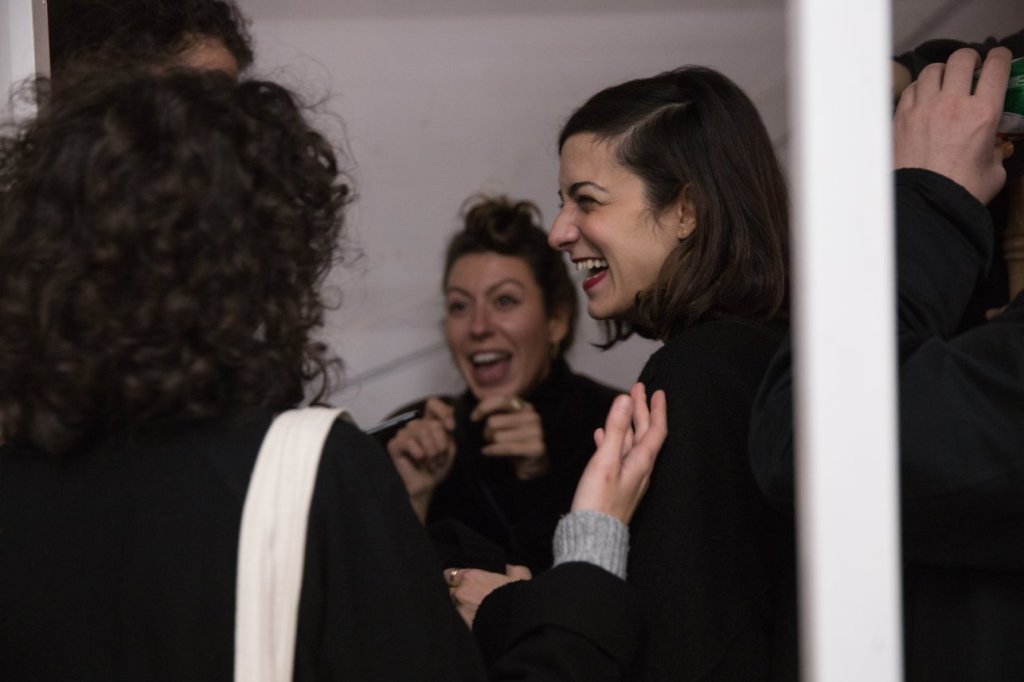
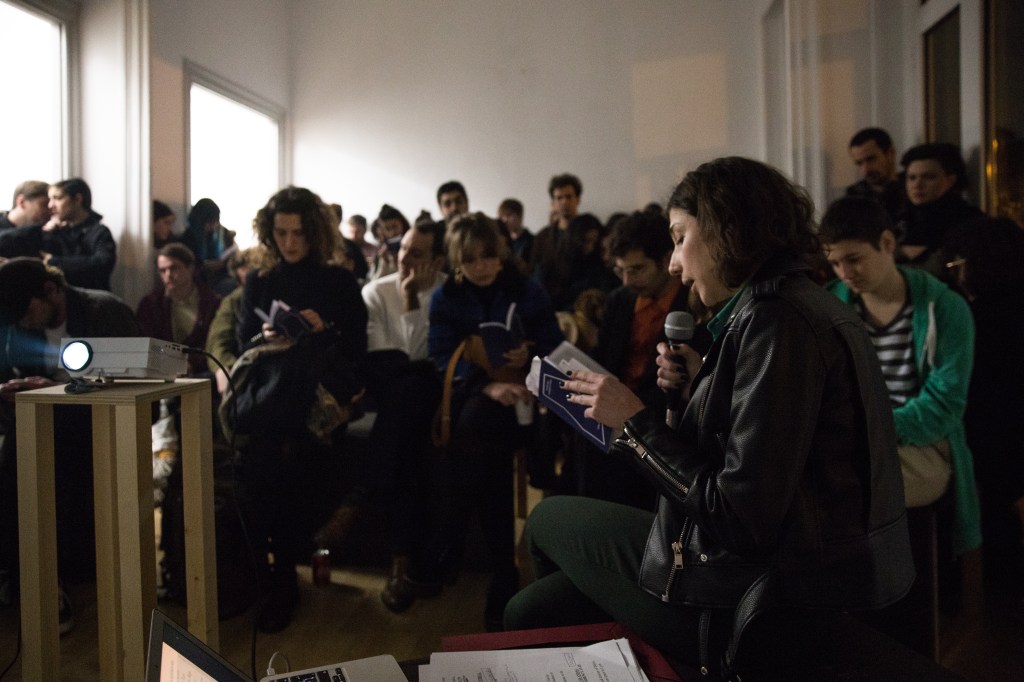
All photos by Alexandra Masmanidi.
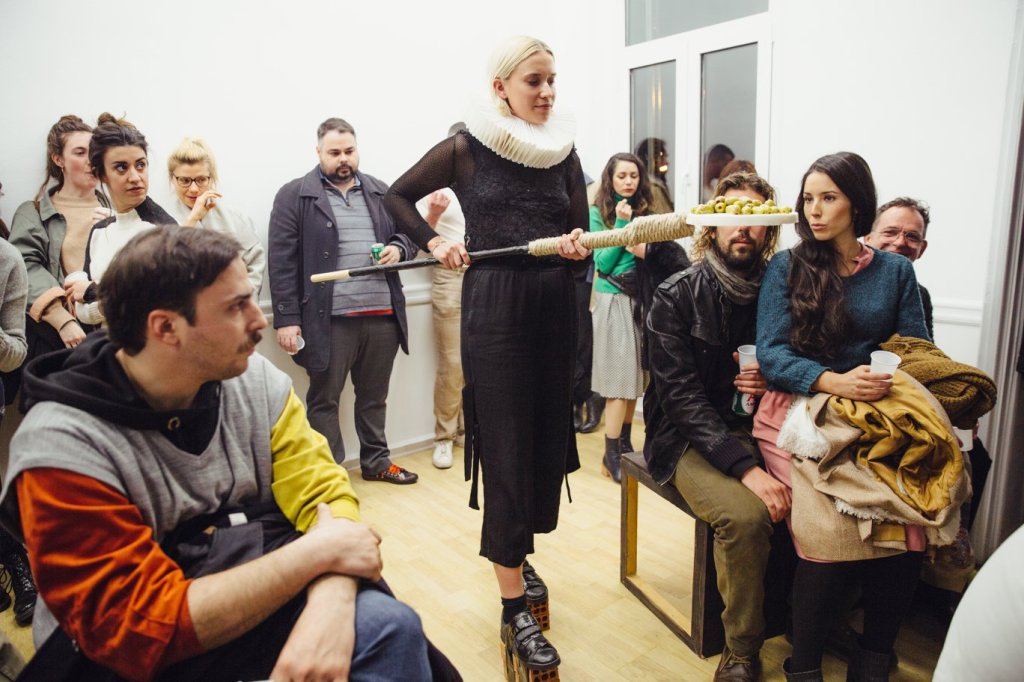
Saturday, February 17, 2018 at 7.30 pm at Hot Wheels Projects (Patision 41, Athens)
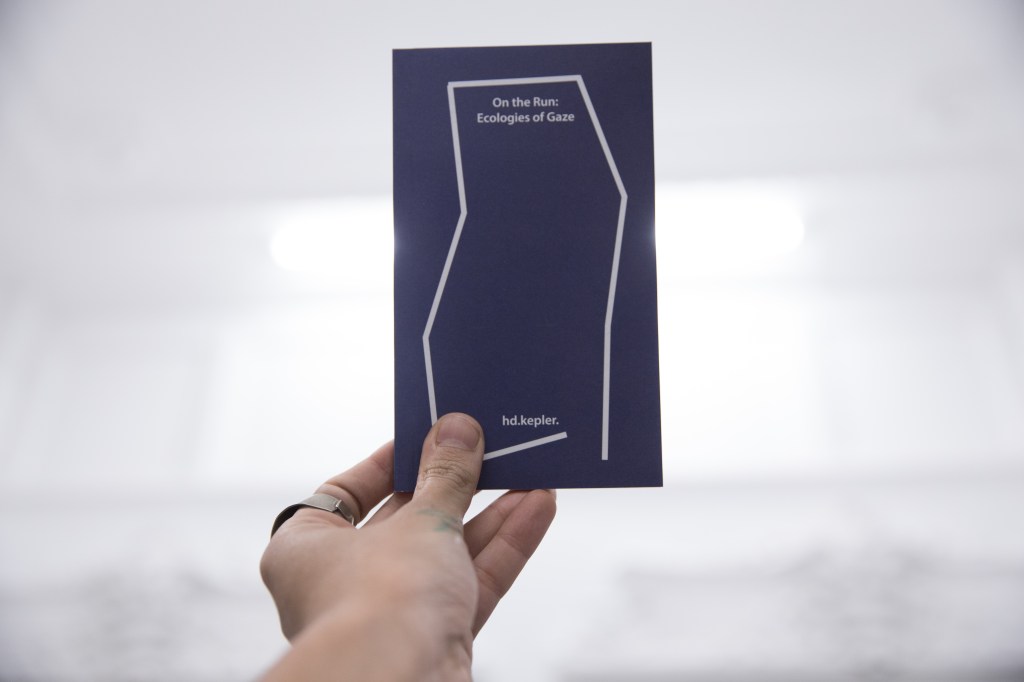
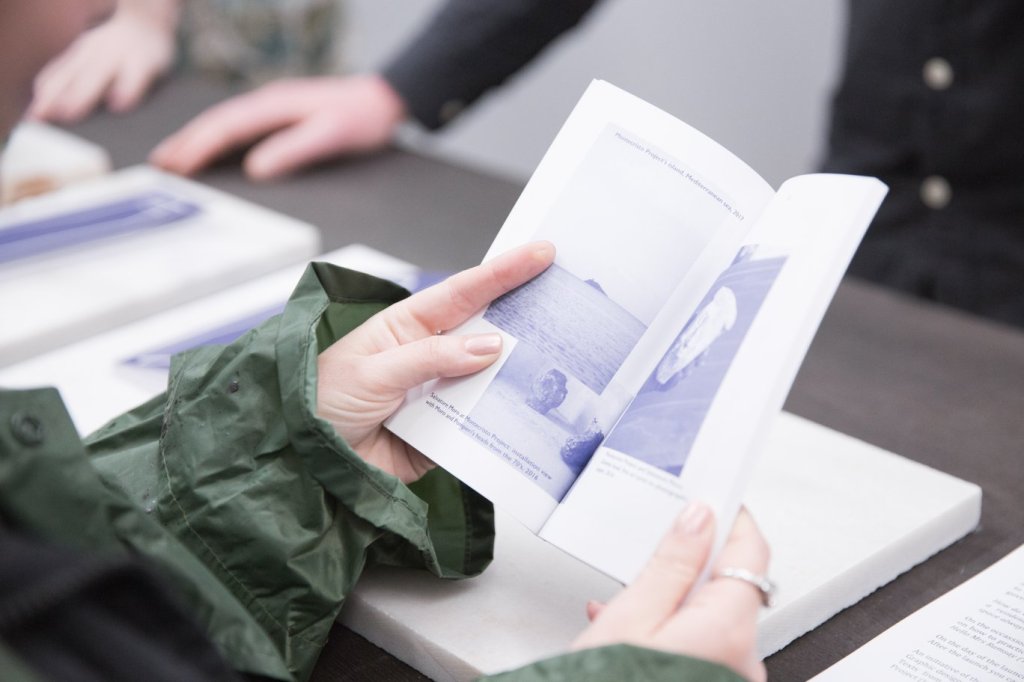
The text attention is an exercise is published in the context of the publication on the run: ecologies of gaze by the art & research platform hd.kepler. that i cofounded in 2015.
Ecologies of Gaze is conceived as a study of attention through the spectrum of proximity and care. The departure point was the book “For an Ecology of Attention” where the thinker, Yves Citton, uses the theory of the economists George Franck and Maurice Goldhaber considering attention as a currency. Citton proposes a change of direction from the “One” to the “Other” and from the “We” to our environment. We have asked artists and curators how they practice attention in a world governed by automatism.
My presentation was followed by Paky Vlassopoulou work Hello Mrs Ramsay (Things Don’t Change That Fast), on hosting as an attention practice.
Graphic design: Chrysanthi Koumianaki
Texts from Mirela Baciak (Austria-Poland), Bikini (France), DEDAZO (Mexico), Montecristo Project (Italy), Εleni Riga (Greece), SUPER (Germany)
It’s about Sharing
Giorgos Palamaris
3/3-17/03/2018
Studio Despina Charitonidi
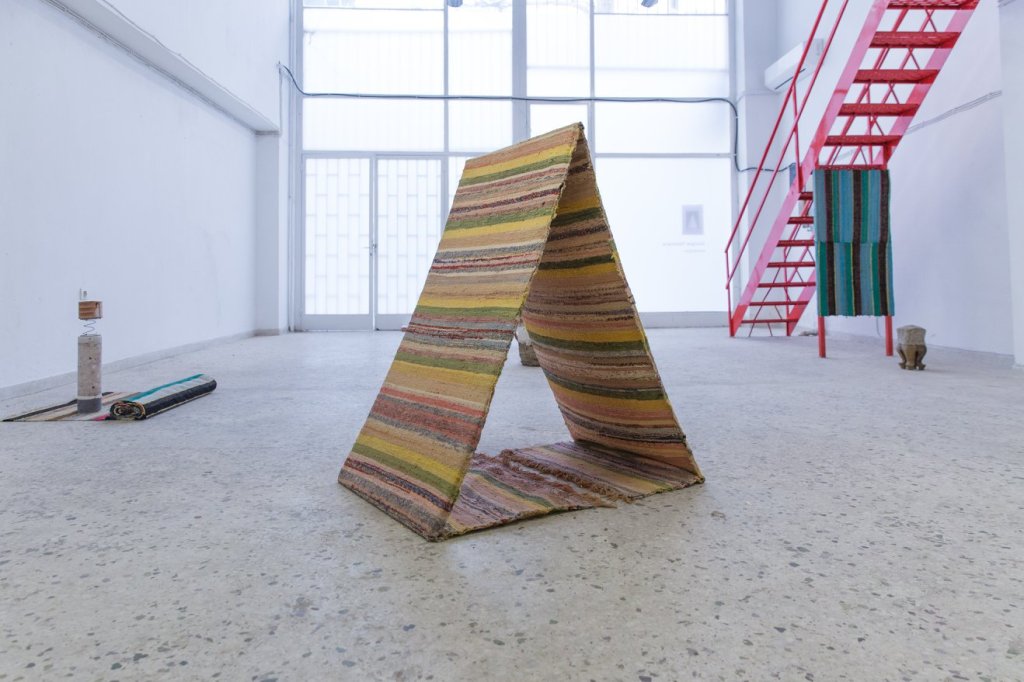
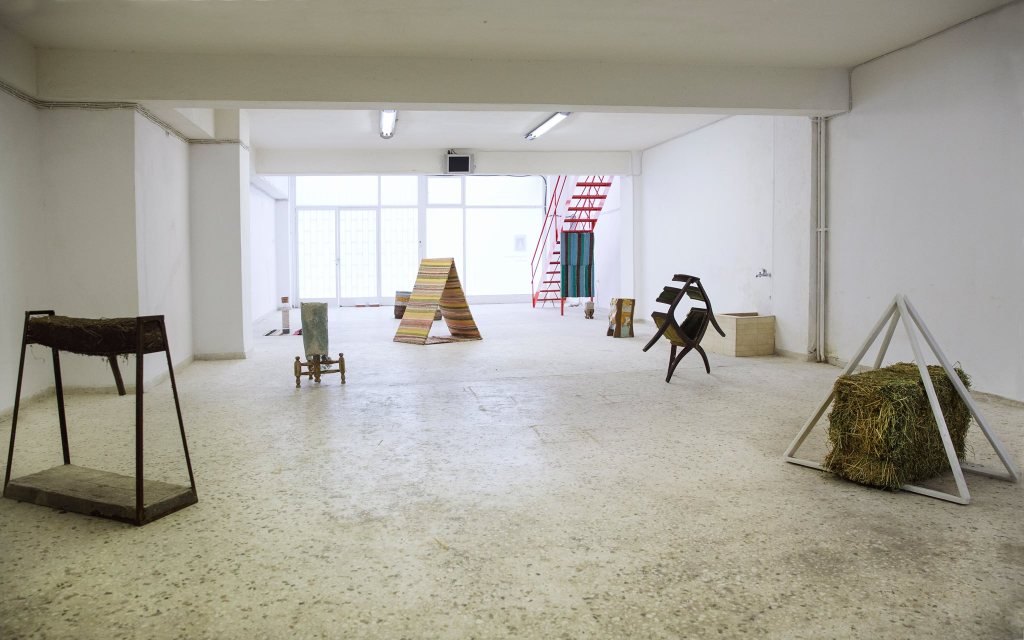
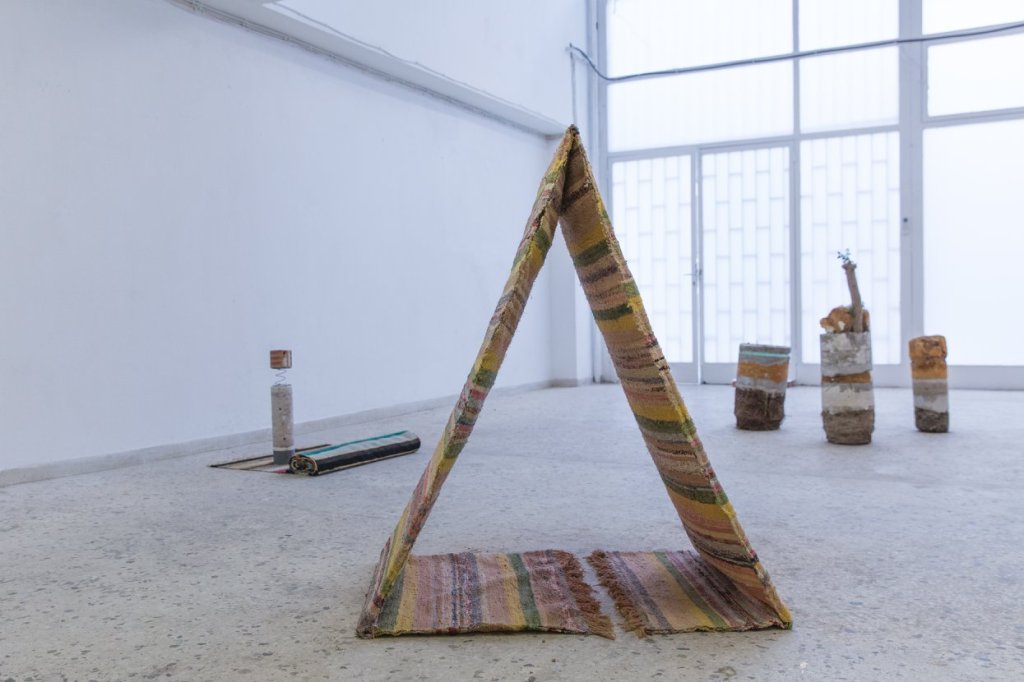
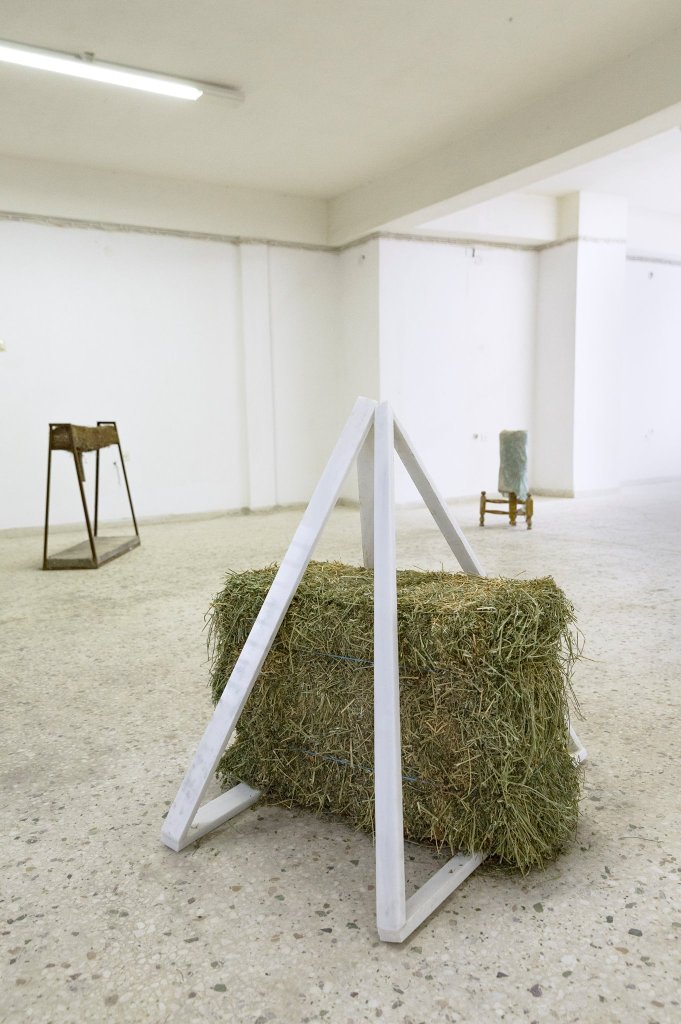
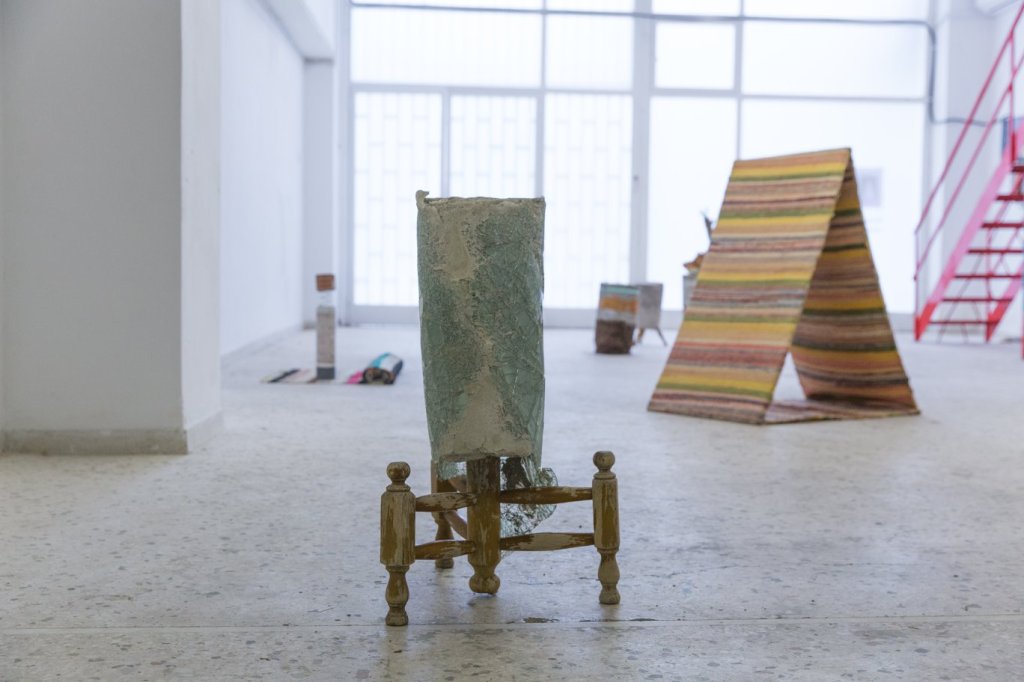
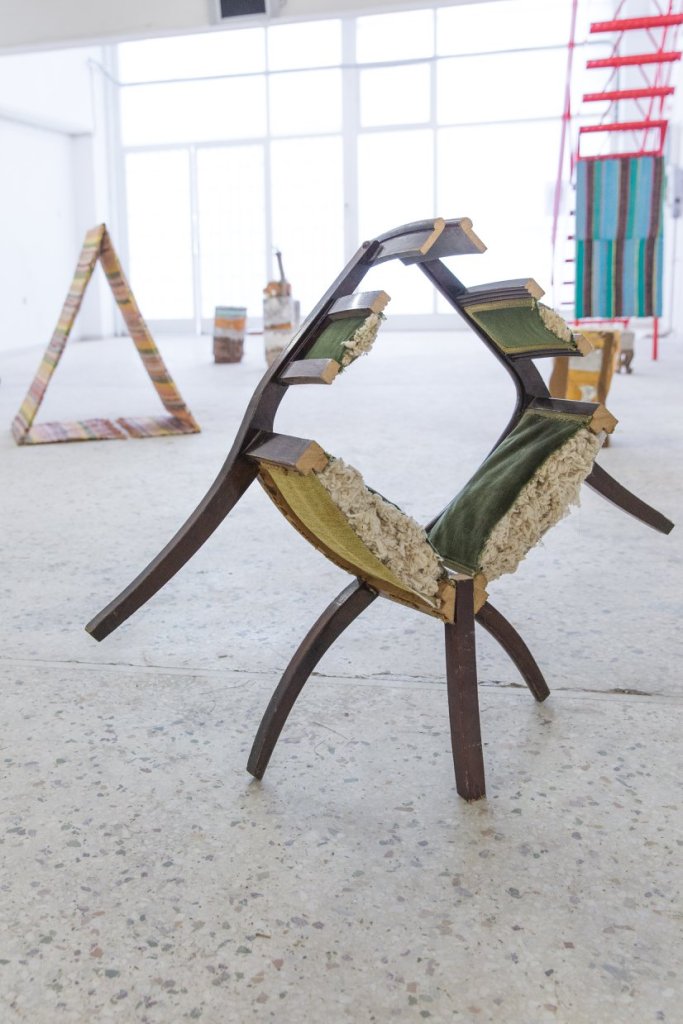
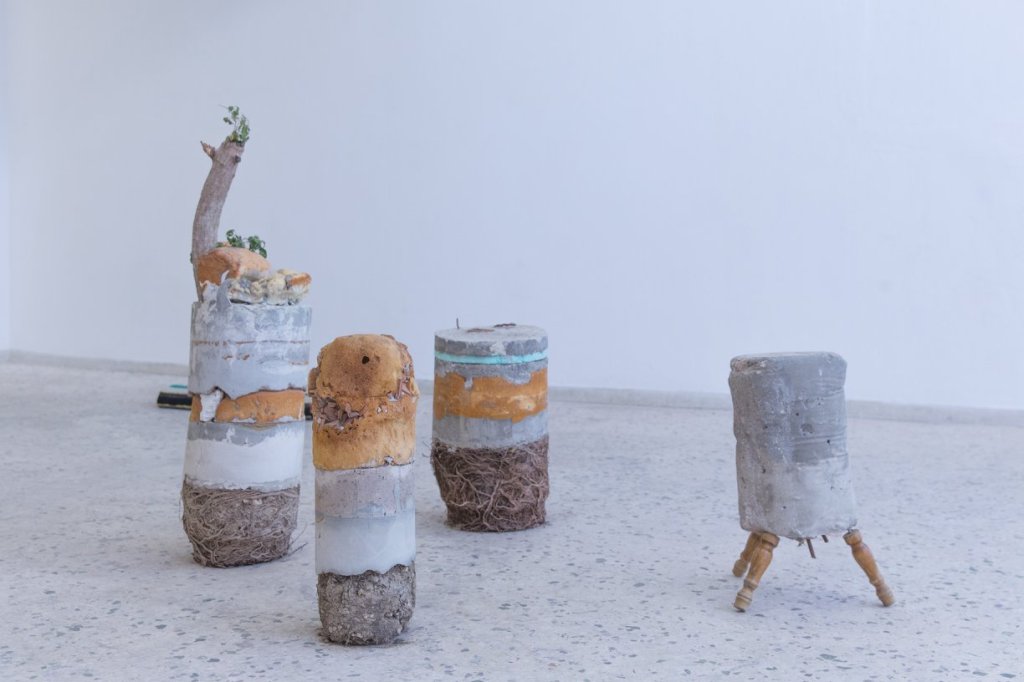
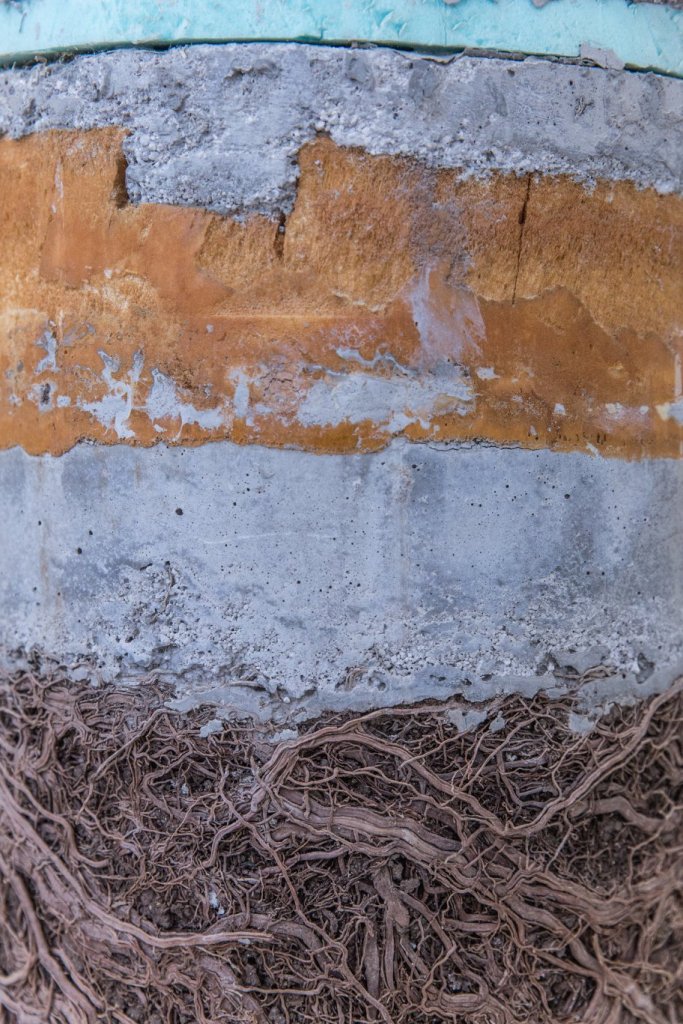
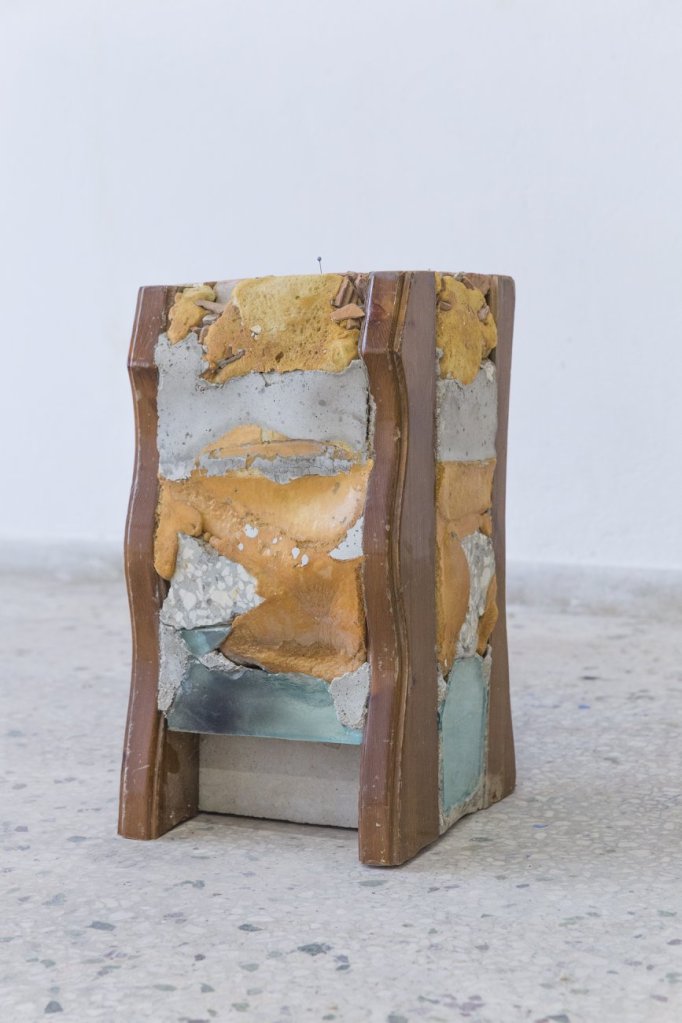
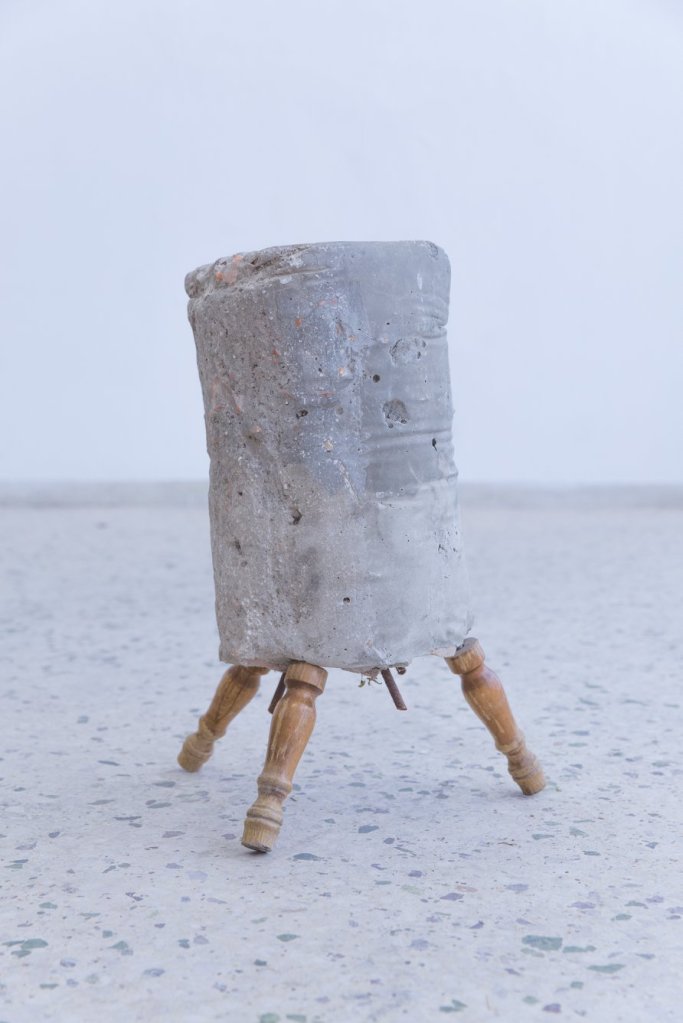
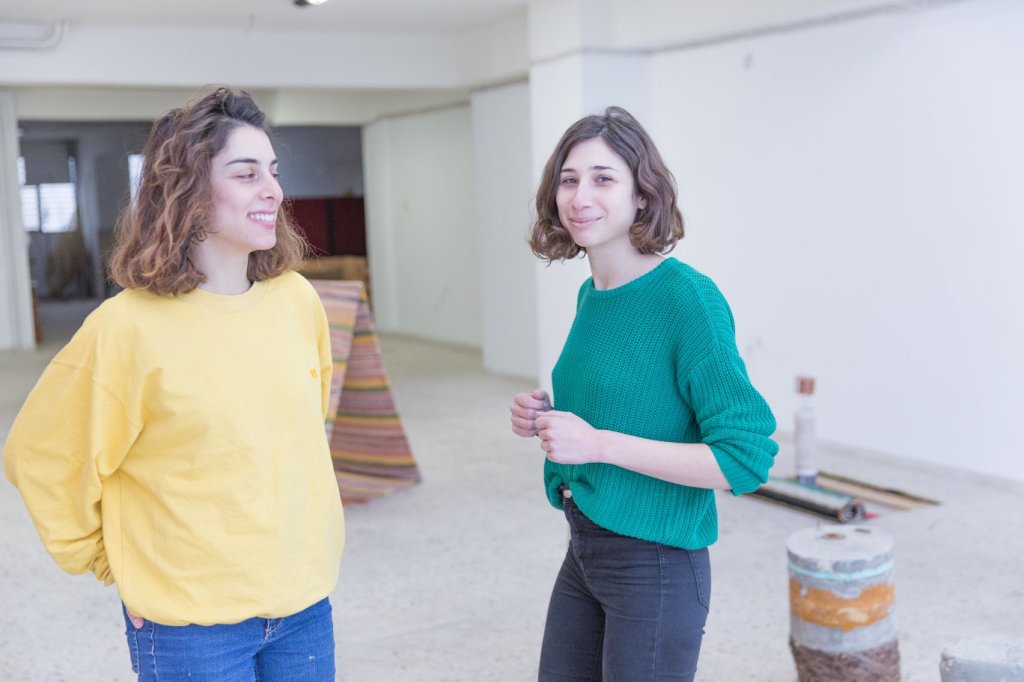
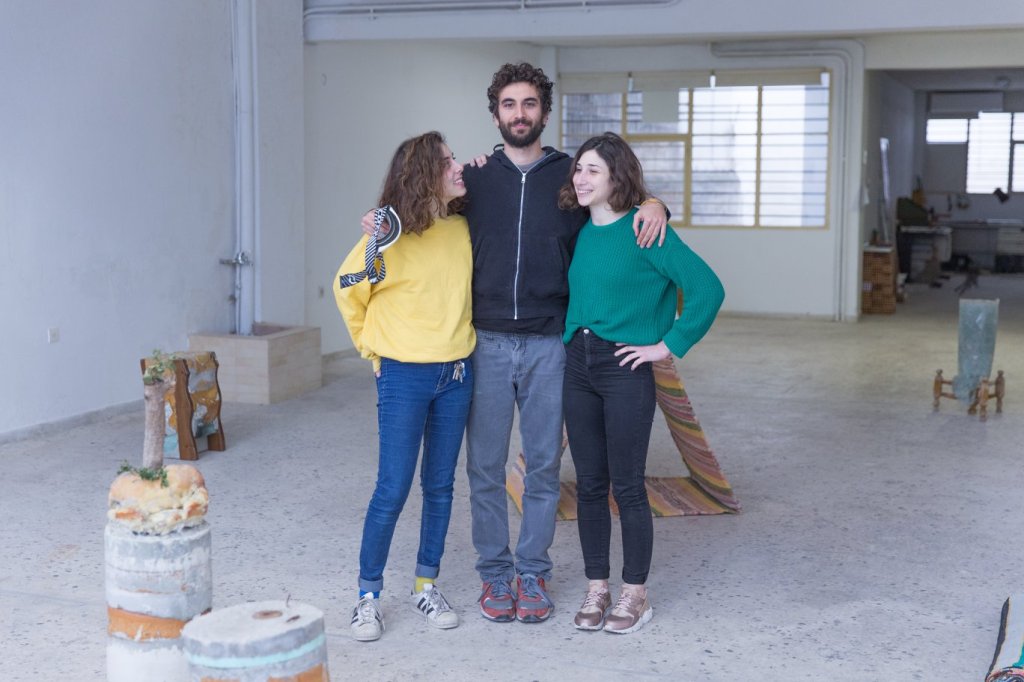
All photos by Alexandra Masmanidi.
The solo show It’s about sharing by Giorgos Palamaris explores the notion of attention through ecologies, both personal (childhood, memory, identity) and collective (immigration, environment). Giorgos Palamaris is interested in urbanism, ecology, sociopsychology and contemporary archaeology. Palamaris often explores the private sphere as a field of action. Household items and construction materials often appear in his work, sometimes ruined or abandoned and sometimes closed in a protective cage, in a nest, in an incubator. We focused on the idea of the “birth” of a work of attention during the preparation of the
exhibition. The creation of an attentive work resembles a lesson of haptonomy, a practice for gentle and consciously accompanied birth. Like a baby communicates with its parents through
“emotional touch”, Palamaris prepares the mould to accept casting materials. With clear references to arte povera and contemporary archaeology, Palamaris uses materials he finds around him, attempting to create utopias of proximity. With a sensible attention, a deterministic materiality, every object narrates its story.
There are two recurrent motifs: sculptures with triangular formations referring to the home and anthropomorphic sculptures which refer to human experience. Palamaris reproduces the structure of a tent, a primary form of residence, a home that we take with us, and although it is ephemeral it stills retains the idea of home. The tent has a twofold role: on the one hand, it is a construction that is associated with a state of stability (identity, culture, territory). On the other hand, it is mobile, folded and transported, recalling nomadic nature and migration. Combined with artworks consisting of organic elements and construction materials, Palamaris reminds us of the relationships of care and interdependence that characterize the world and its fragility (natural disasters, antropocene, immigration). He turns the gaze from the “One” to the Other and from the “We” to our “Environment”.
Practising
Elisavet Sfyri
31/03- 01/04/2018
Studio despina charitonidi
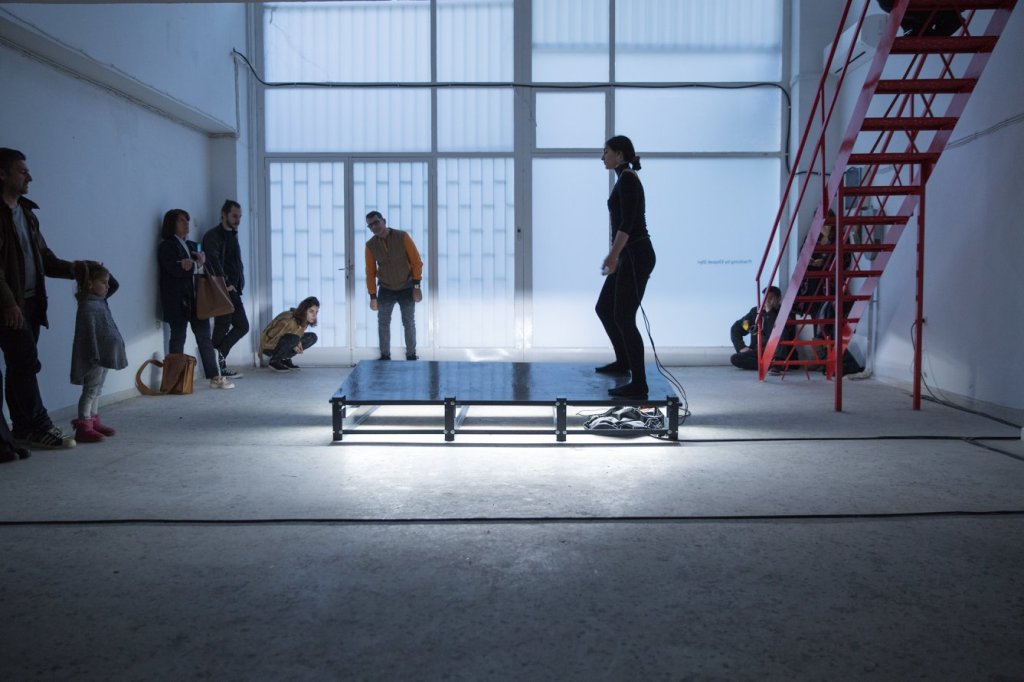
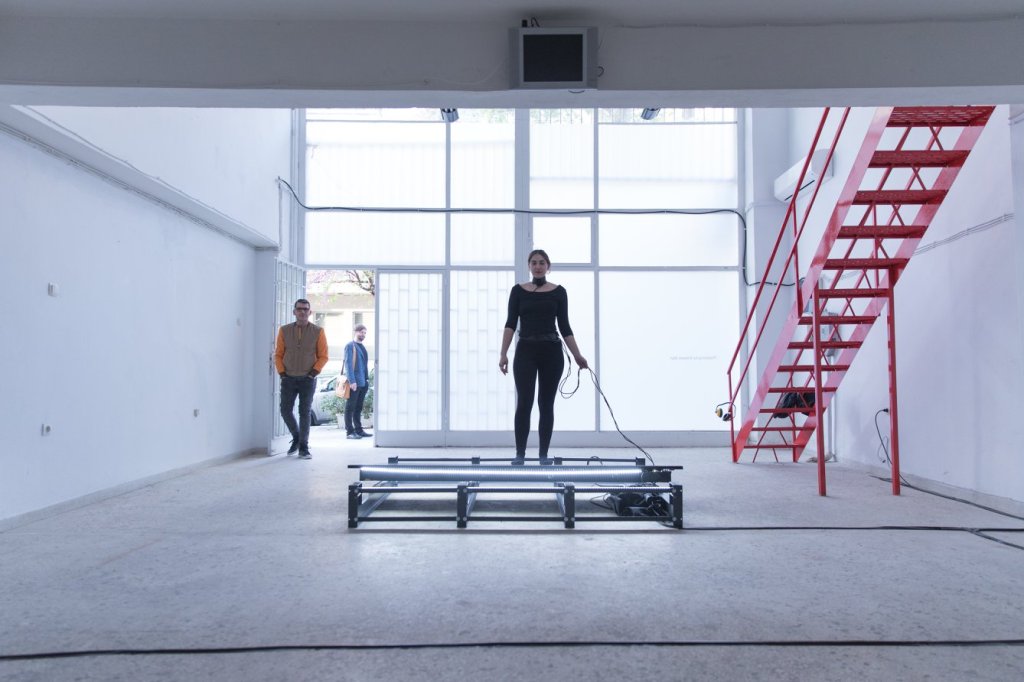
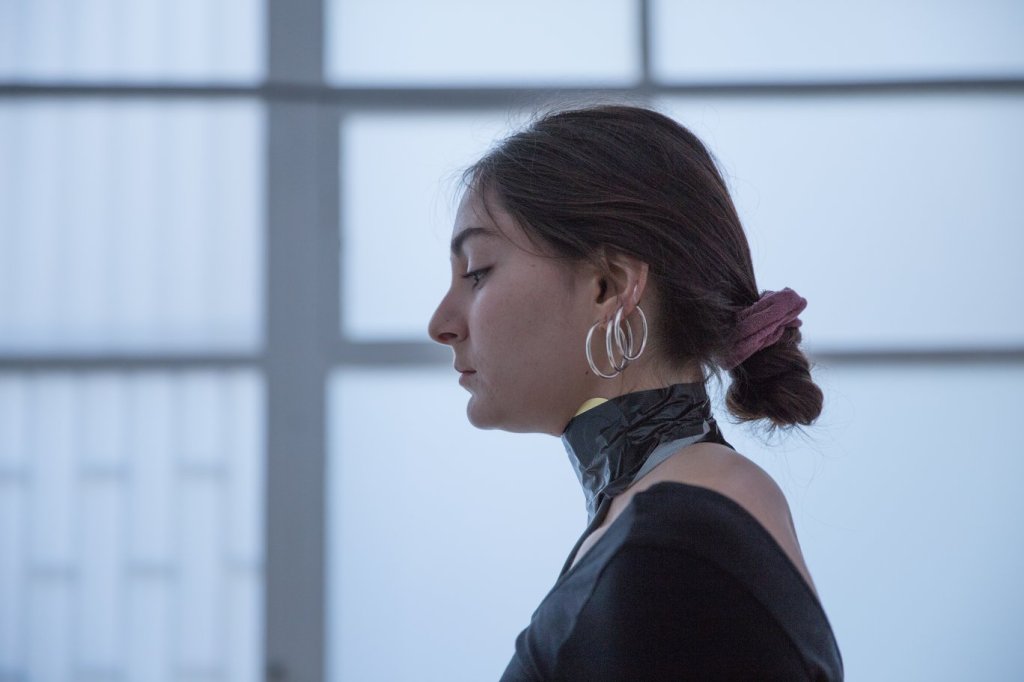
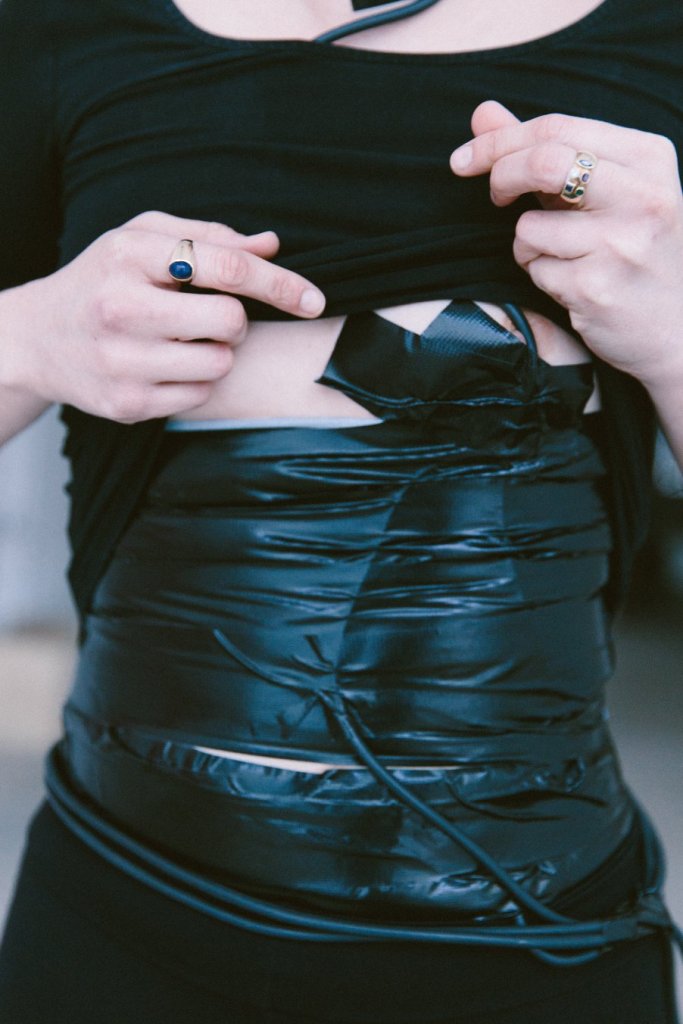
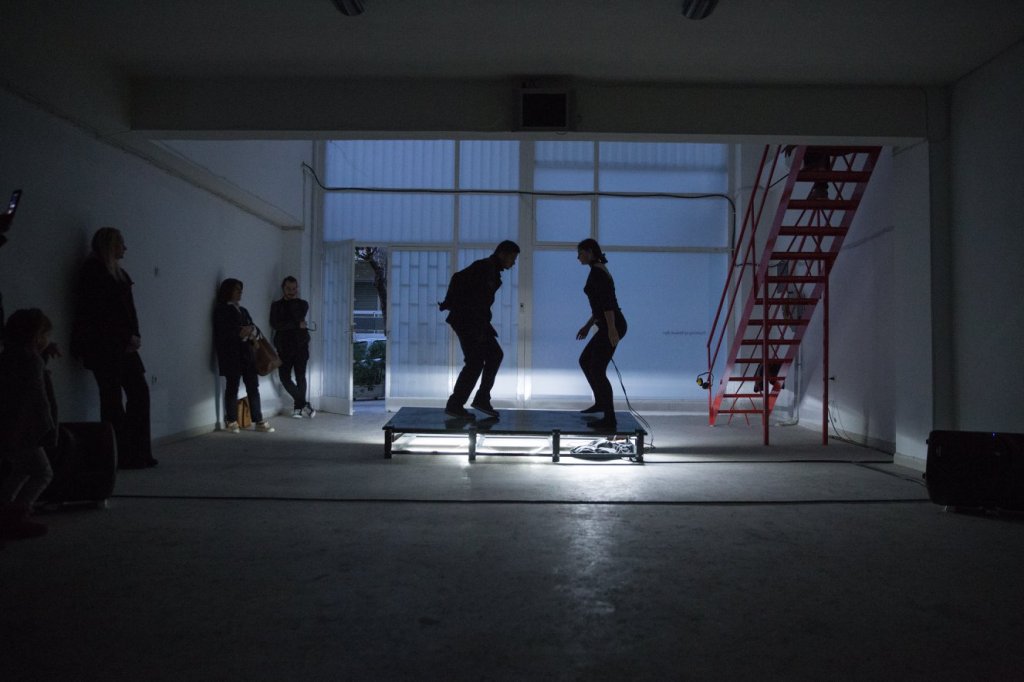
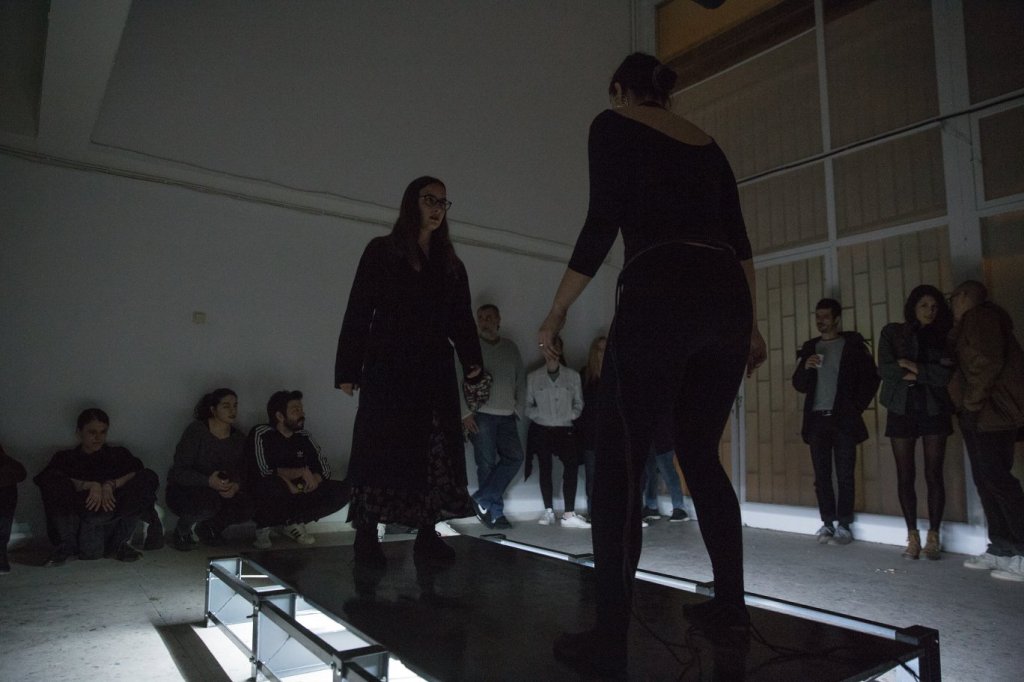
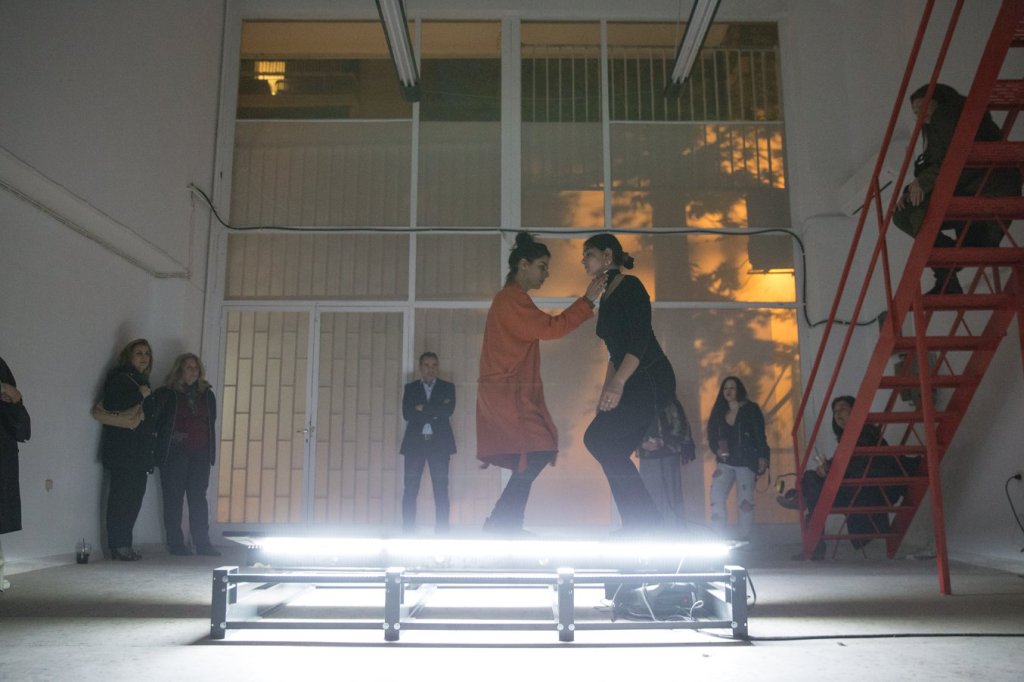
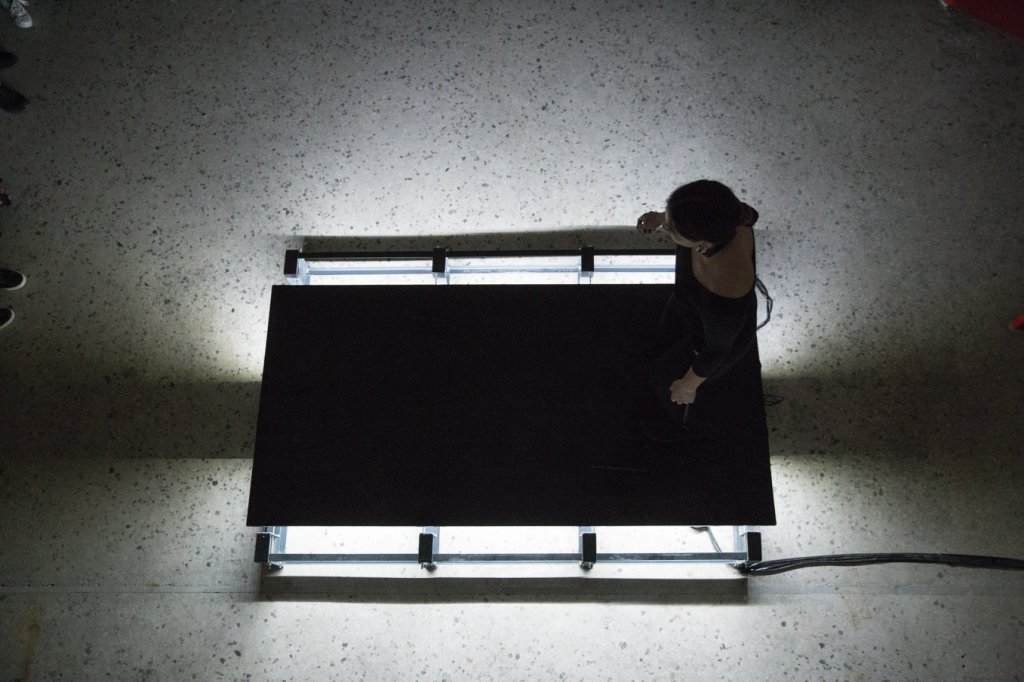
All photos by Alexandra Masmanidi.
The interactive durational performance Practicing by Elisavet Sfyri deals with the issue of attention through the ecologies of balance, personal (body, psychology, experience) and collective (interaction, human relationships, society).
Practicing is a living sculpture that consists of a moving platform, which upon activation produces sounds, according to the rhythmic motion of the bodies standing on it. The microphones, which are mounted on the moving platform and on the artist’s body, capture even the slightest sound to create a dynamic sound collage. Using both the body and the platform as instruments, Sfyri suggests an unconventional use of the three basic elements of the performance (body, physical space and sound), while commenting on the instrumentalisation of the body under the capitalist system.
The sound (music, singing, noise) is at the core of Sfyri’s practice. Mainly the sound produced by the microphone that is placed on the artist’s neck constitutes a different voice, a reminder that contrary to the theories of transcendence and liquidity, we still have a body which bears the physical and emotional consequences of our times: stress, distraction, fatigue and burn-out. By admitting we have a body, it means we have a voice and therefore a capacity for resistance and resilience.
Practicing draws the attention to the present, addressed to an emancipated viewer who shapes the work with the artist. Sfyri attempts to capture universal human experiences and treats the body both as a field of individual and collective memory. The sculpture is transformed into an ongoing exercise of balance, a song composed every minute from and between two fragile autonomies, interconnected and interdependent.
Tending
Becky Campbell
21/04-12/05/2018
Studio Despina Charitonidi
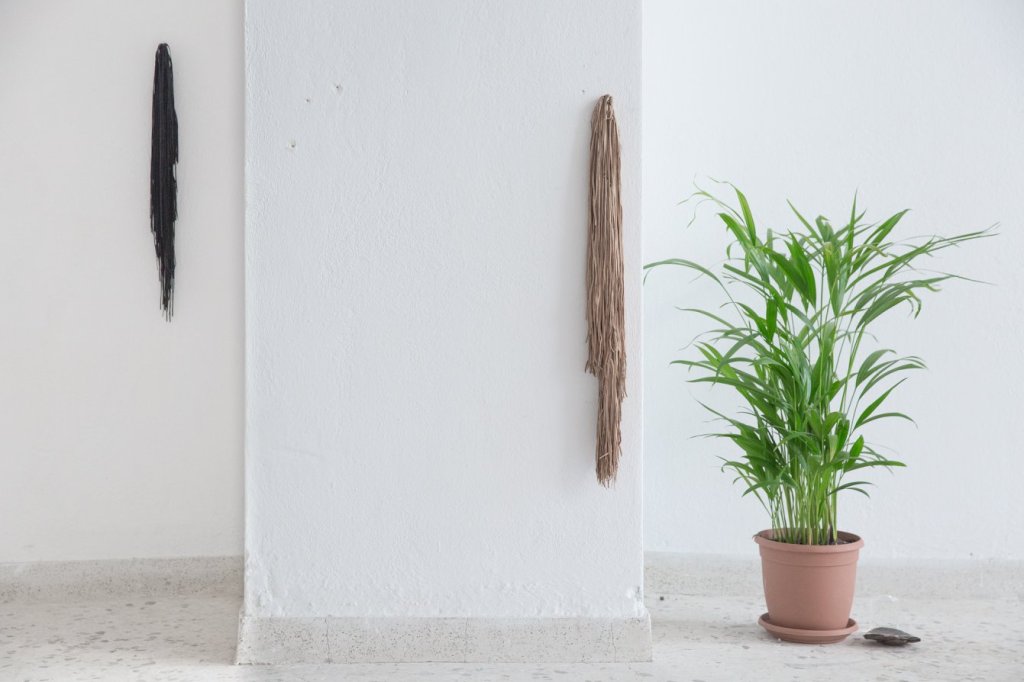
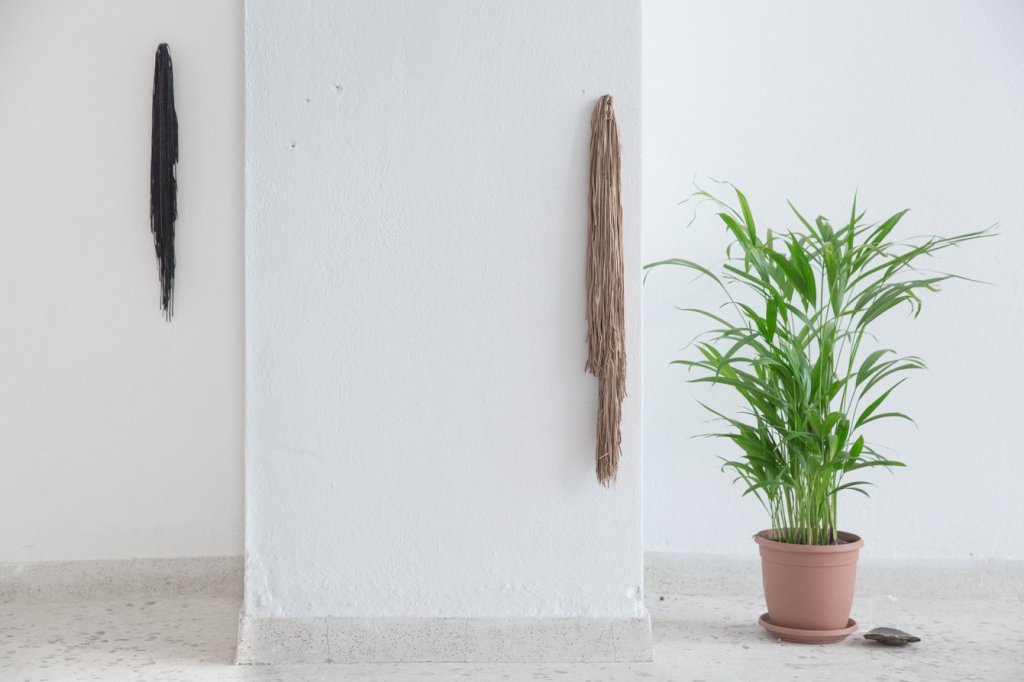
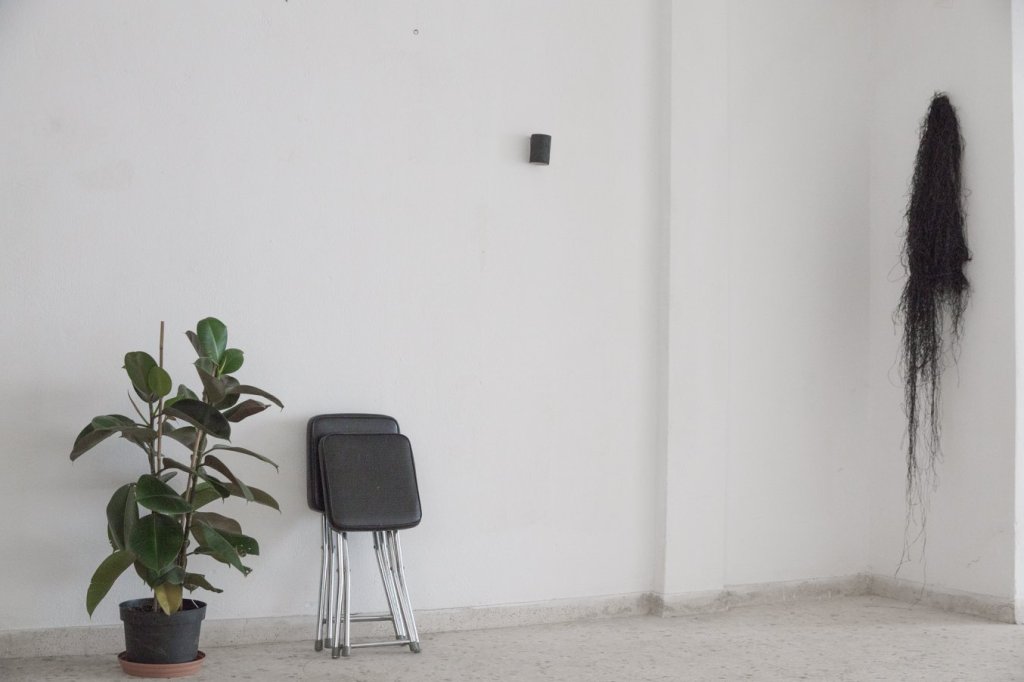
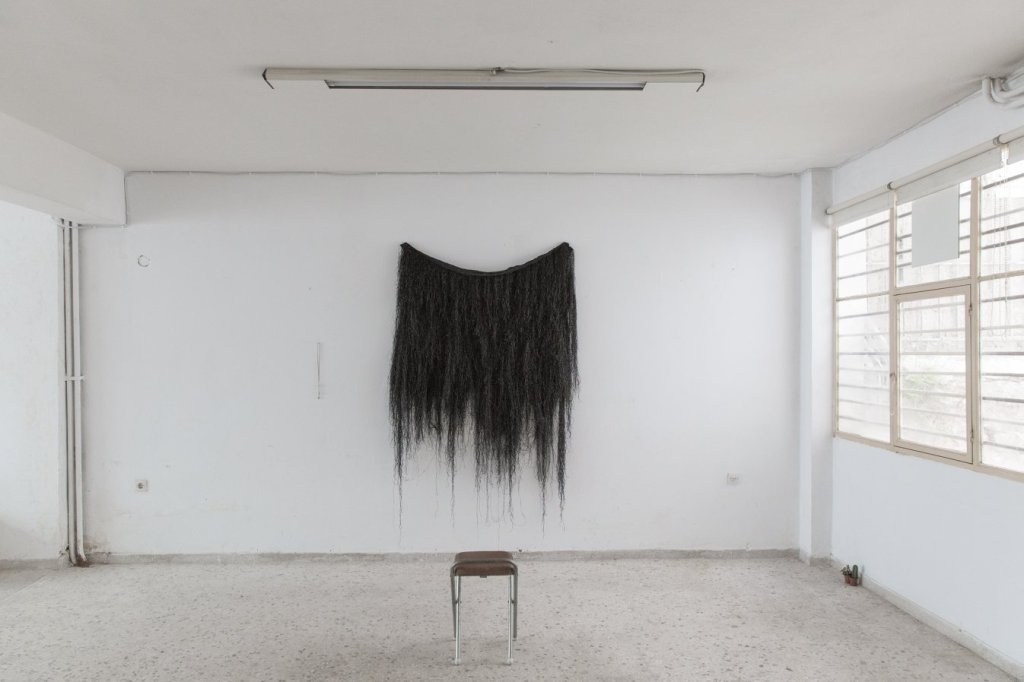
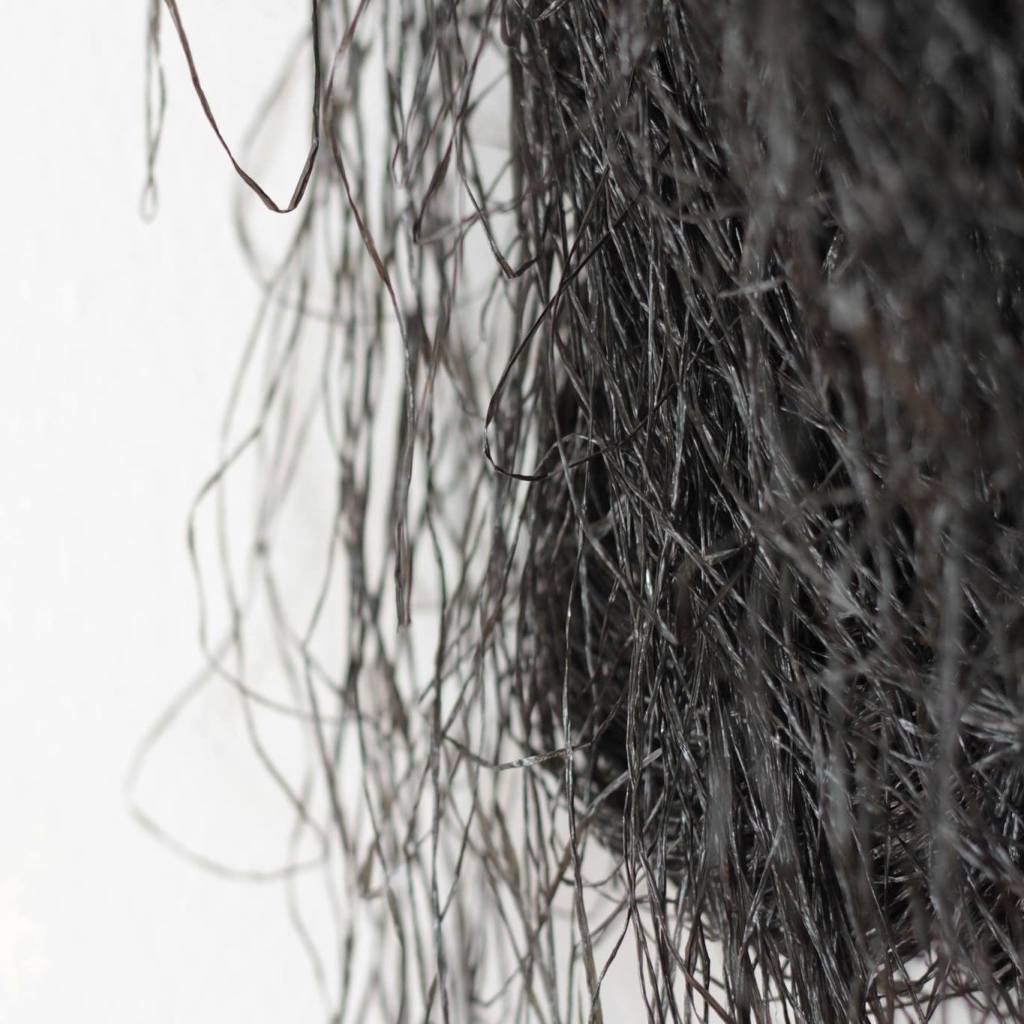
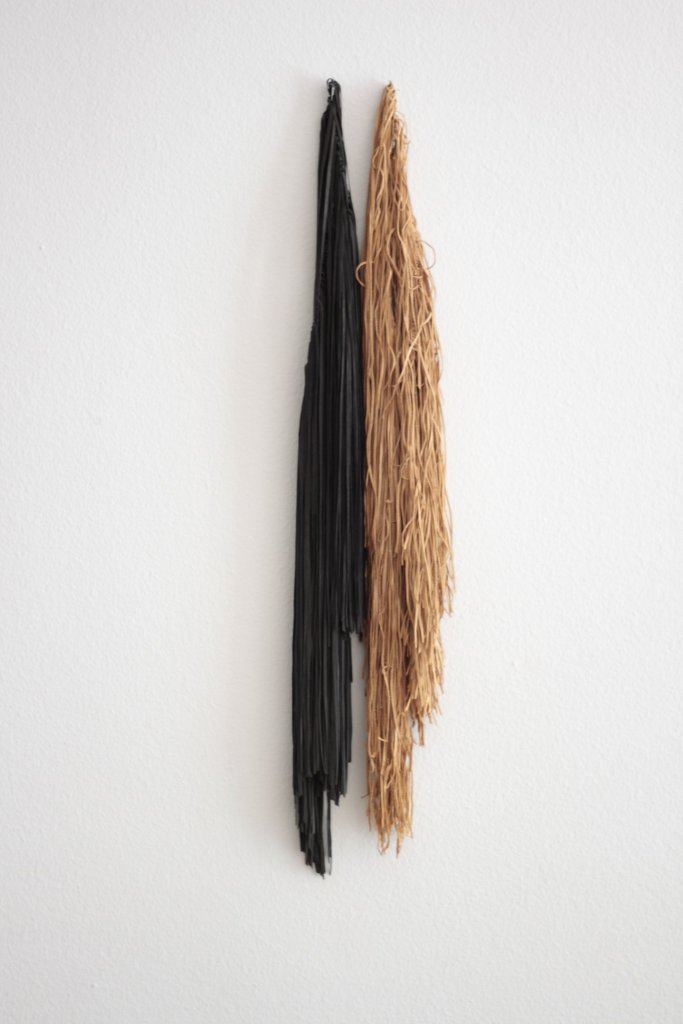
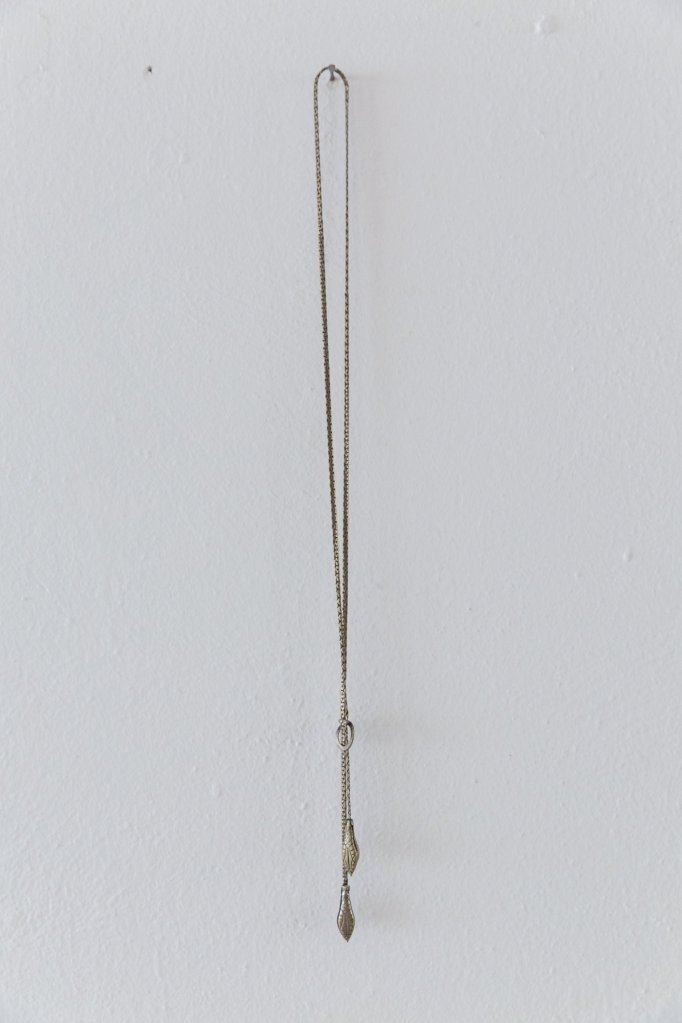
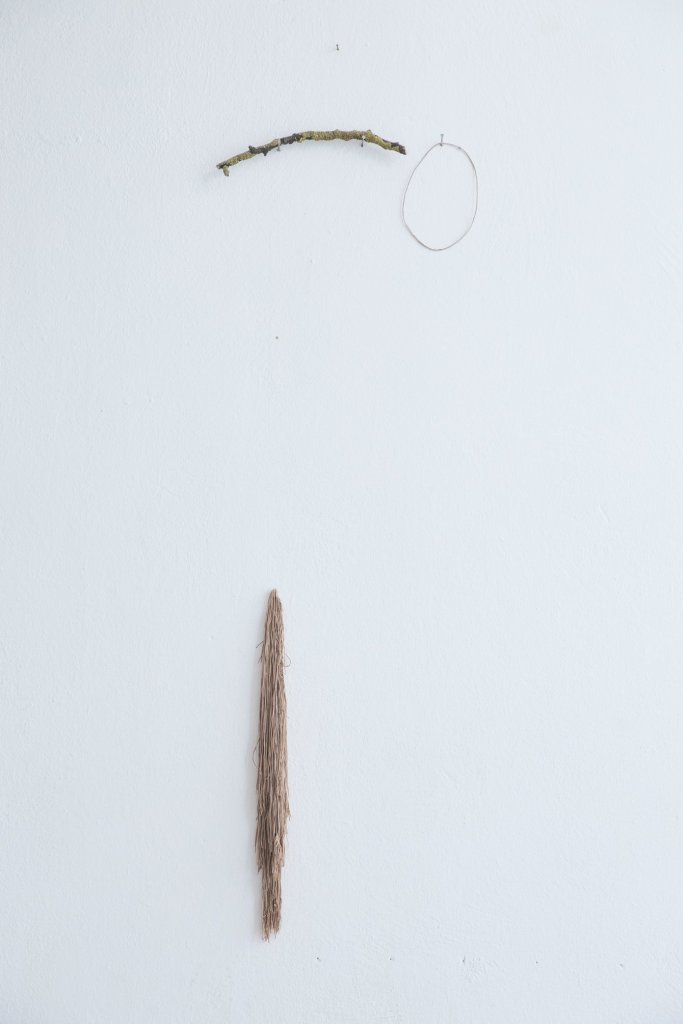
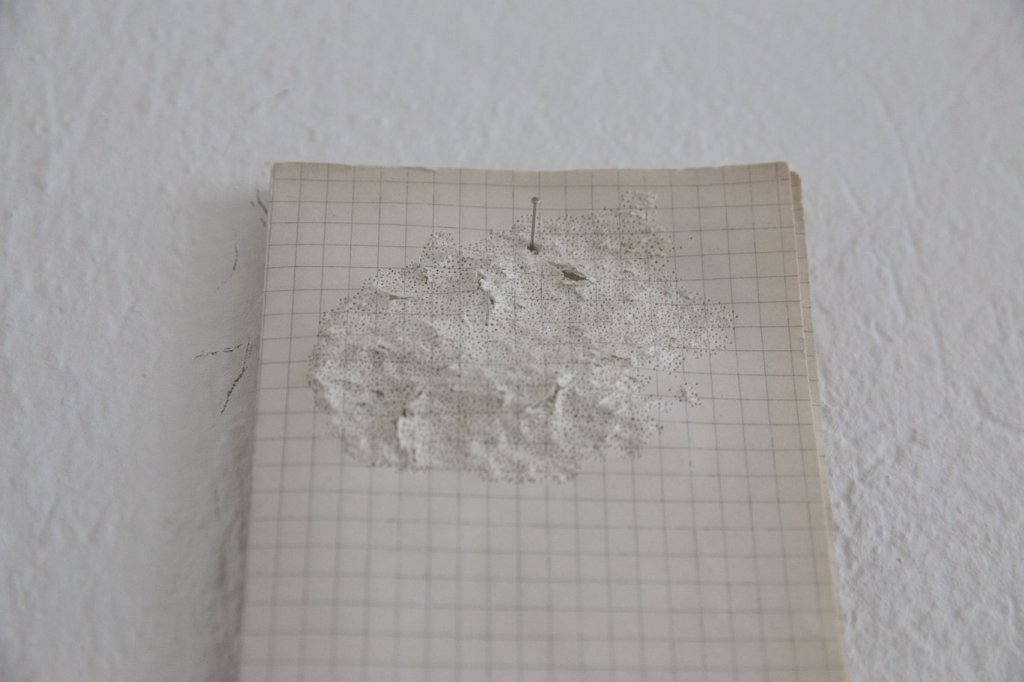
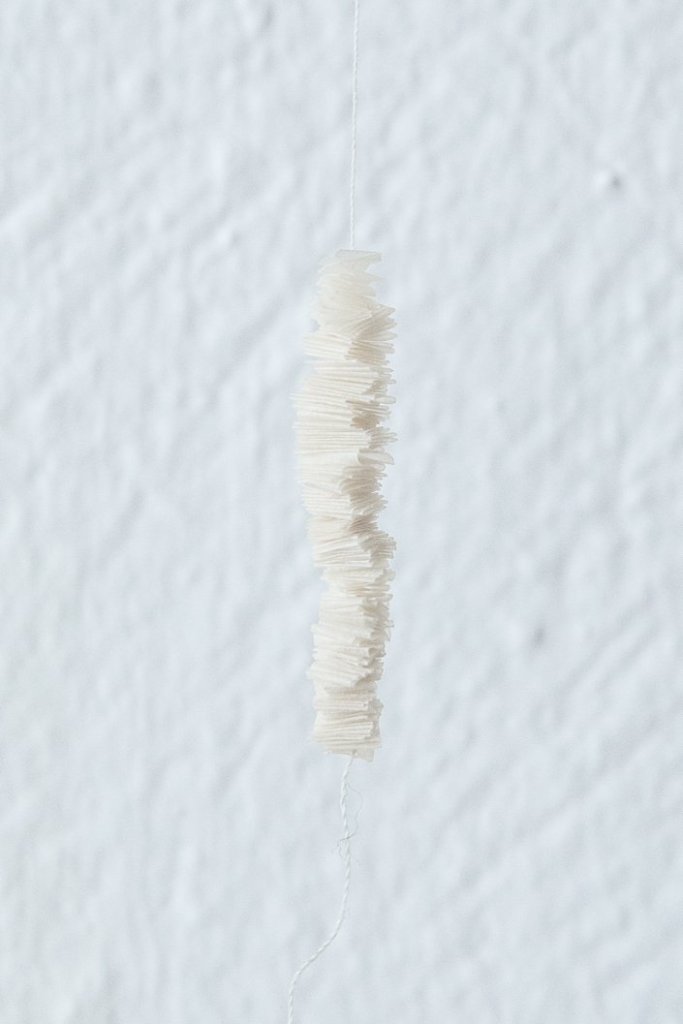
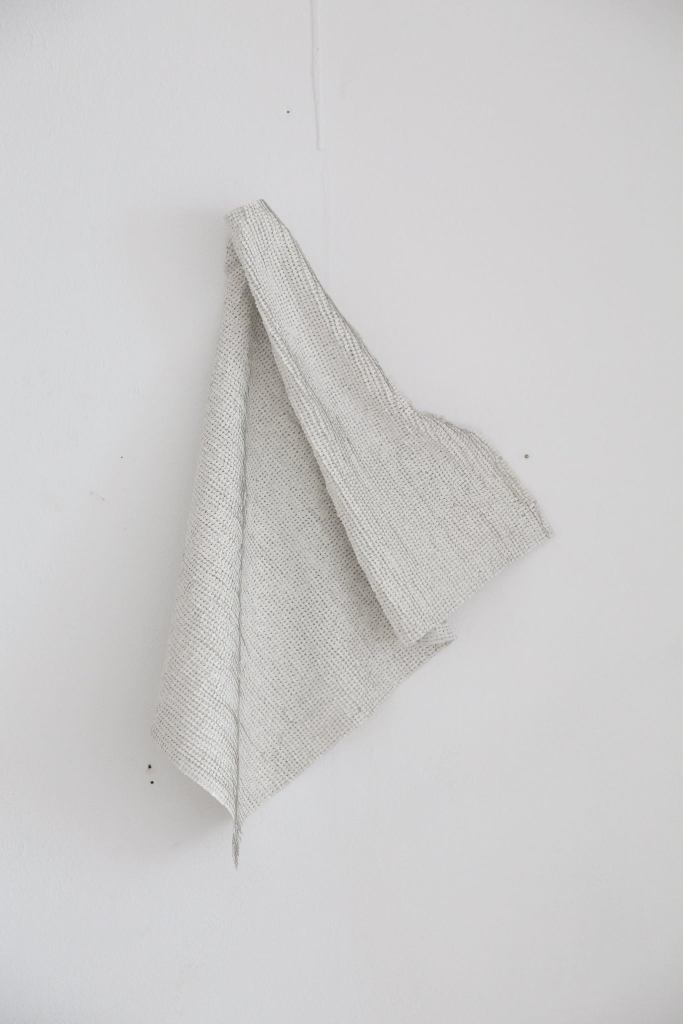
All photos by Alexandra Masmanidi.
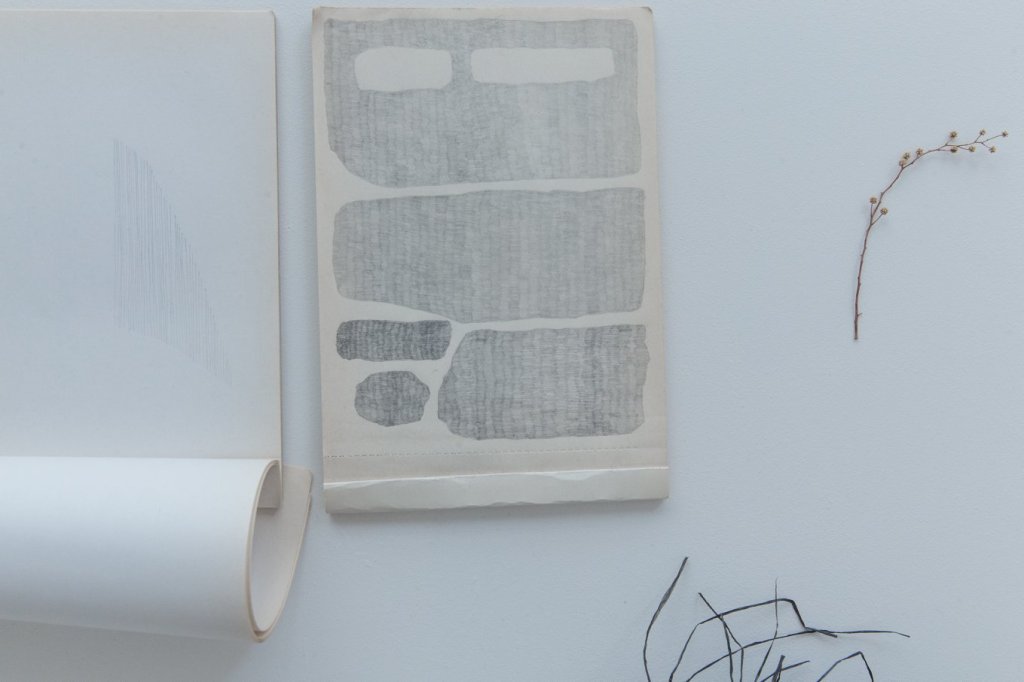
The exhibition Tending by Becky Campbell explores the notion of attention through the artist’s ongoing practice of revisiting, nurturing and rebalancing objects, plants and feelings. The
exhibition is conceived as an exercise of empathy. The gaze wanders around the works, is sometimes compelled to examine them closely – whether because of their scale, colour or texture – and finally meets them. Revisiting is an encounter of the gaze that presupposes momentary cessation: it is by observing closely something at standstill that one can speak of an object, and give a thought or a vision. The exhibition set up consists of vantage points that enable the audience to individually observe the works for longer periods.
Through the process of revisiting, we are tending towards certain works. Tending describes both the tendency to approach something that draws our attention but also the way we approach them, tenderly. In the spirit of the exhibition cycle «Attention is an Exercise» we attempt to show how feelings can become an integral part of the exhibition treated with equal care.
Tending, though it is open to all, has been conceived with a small number of specific people in mind. This element intensifies the feeling of privacy and gives it a rather confessional character. Moreover, this exhibition cycle has been very much concerned with our bodies bearing the consequences of “contemporary life” and the urgency for resistance and resilience. Campbell’s works are extremely fragile, as our bodies are, and yet very demanding in terms of physical labour but nevertheless they are polyphonic, meaning they have the ability of speaking in different voices.
Displaying objects, organic elements and feelings, Campbell, without distinction, proposes a new paradigm of life. Campbell has been researching exhibition archives and collecting
images of exhibitions where plants were included either as decoration or conceptually. Here she is attempting to create an ecosystem: Our world consists of our bodies, ourselves and our
environment, all the elements that we are looking to link in a complex network, in support of life.
Plastic mesh netting is a recurrent material in the exhibition, reminiscent of the process of weaving. It is used mostly in the collection of olives and thus is linked with agriculture. These nets share the same qualities with the networks of people or other living organisms caught up in care networks to sustain their ecosystems. Thus, this exhibition feels rooted to the earth.
 Eleni Riga
Laisser un commentaire