2015
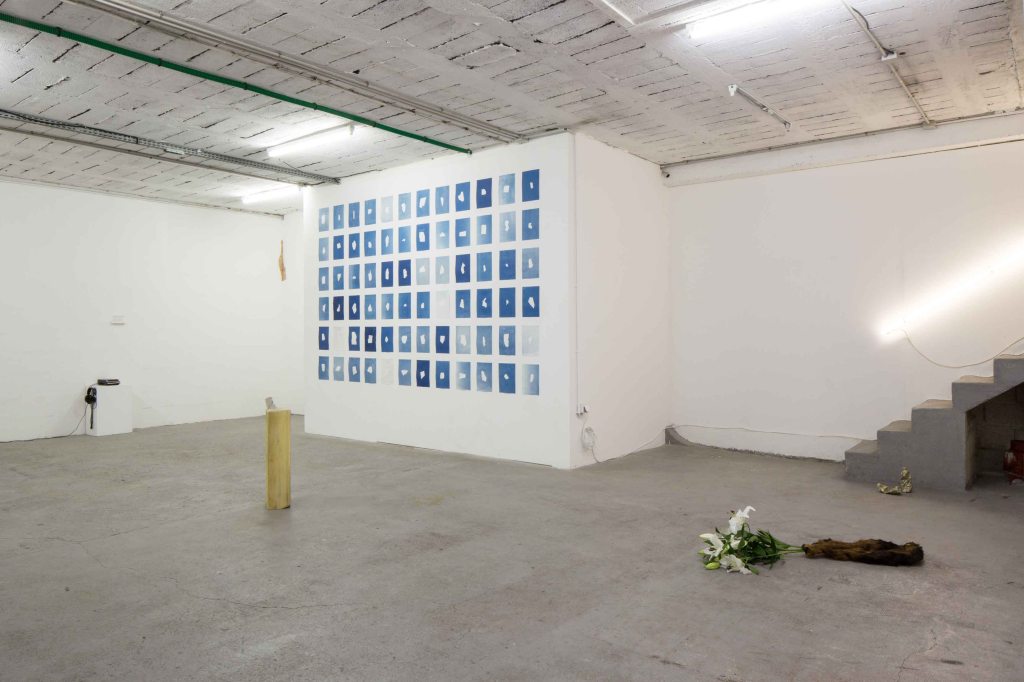
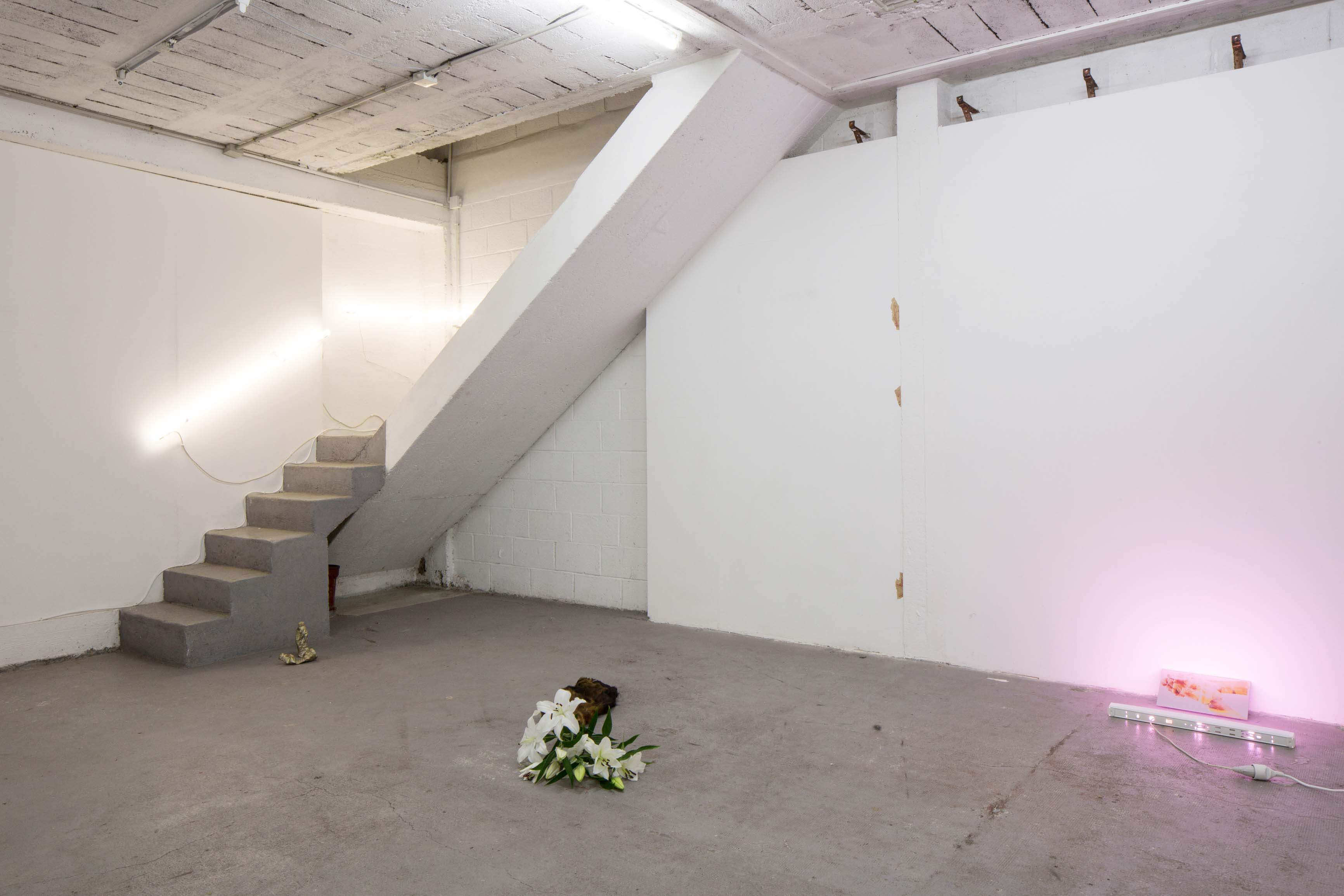
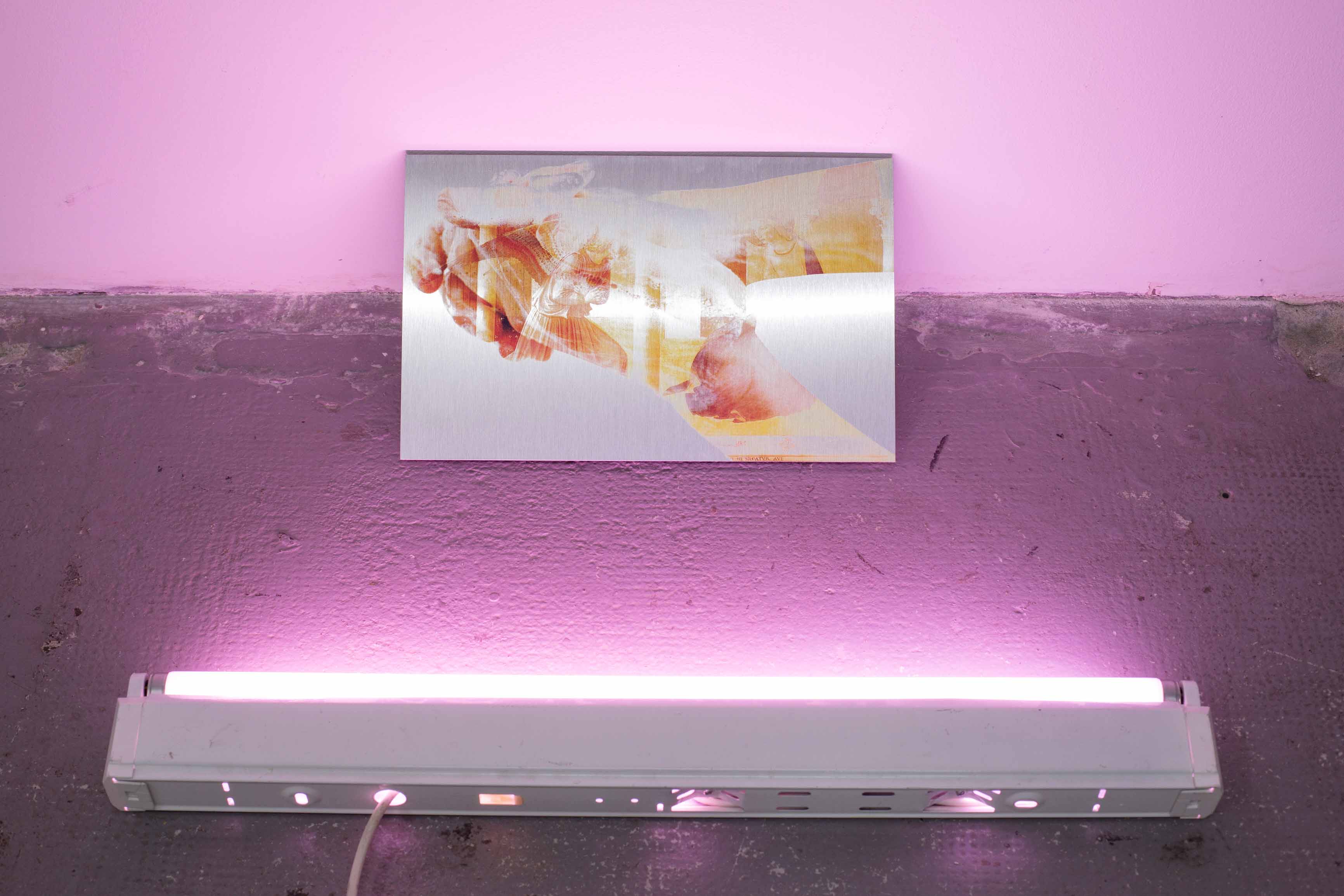
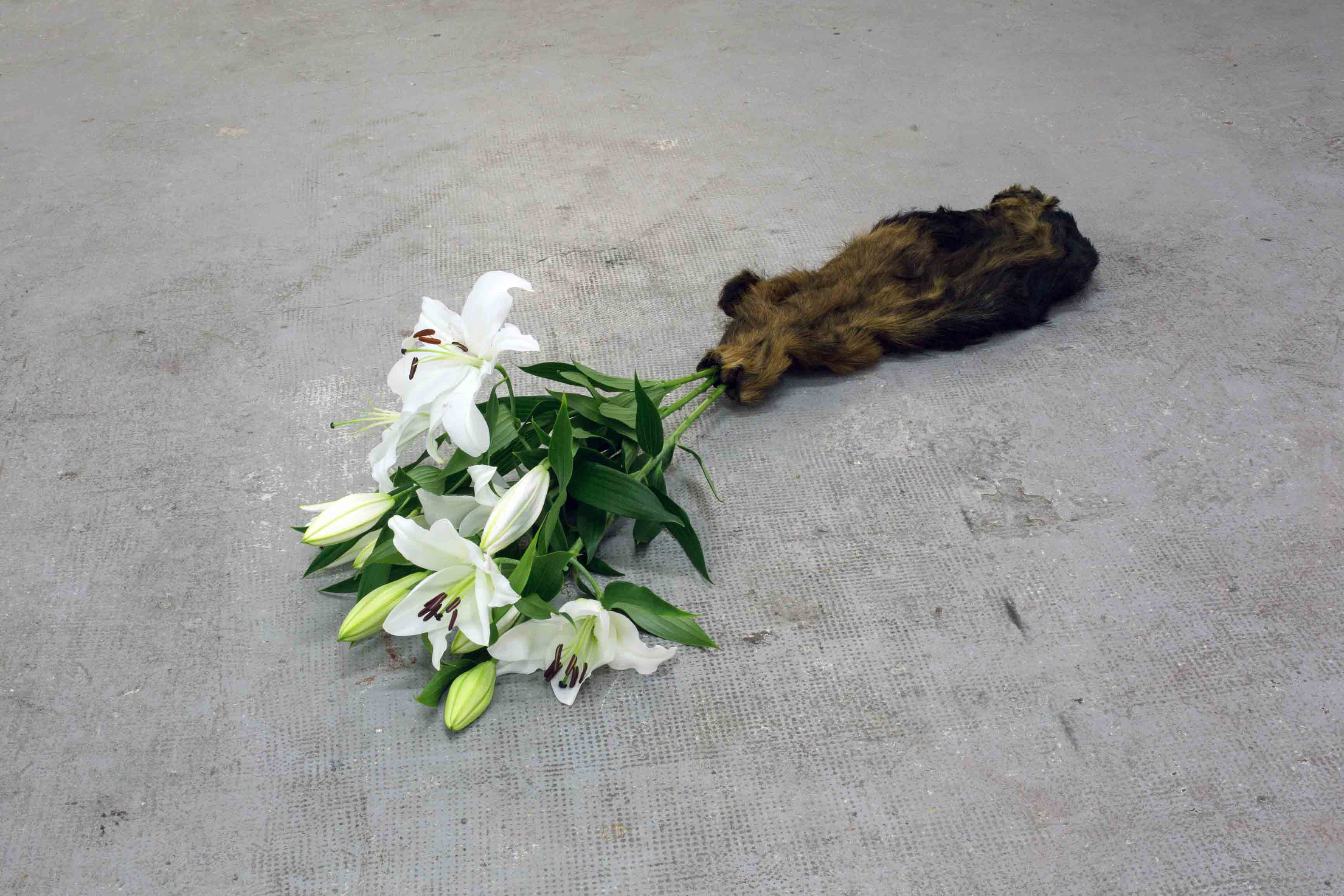
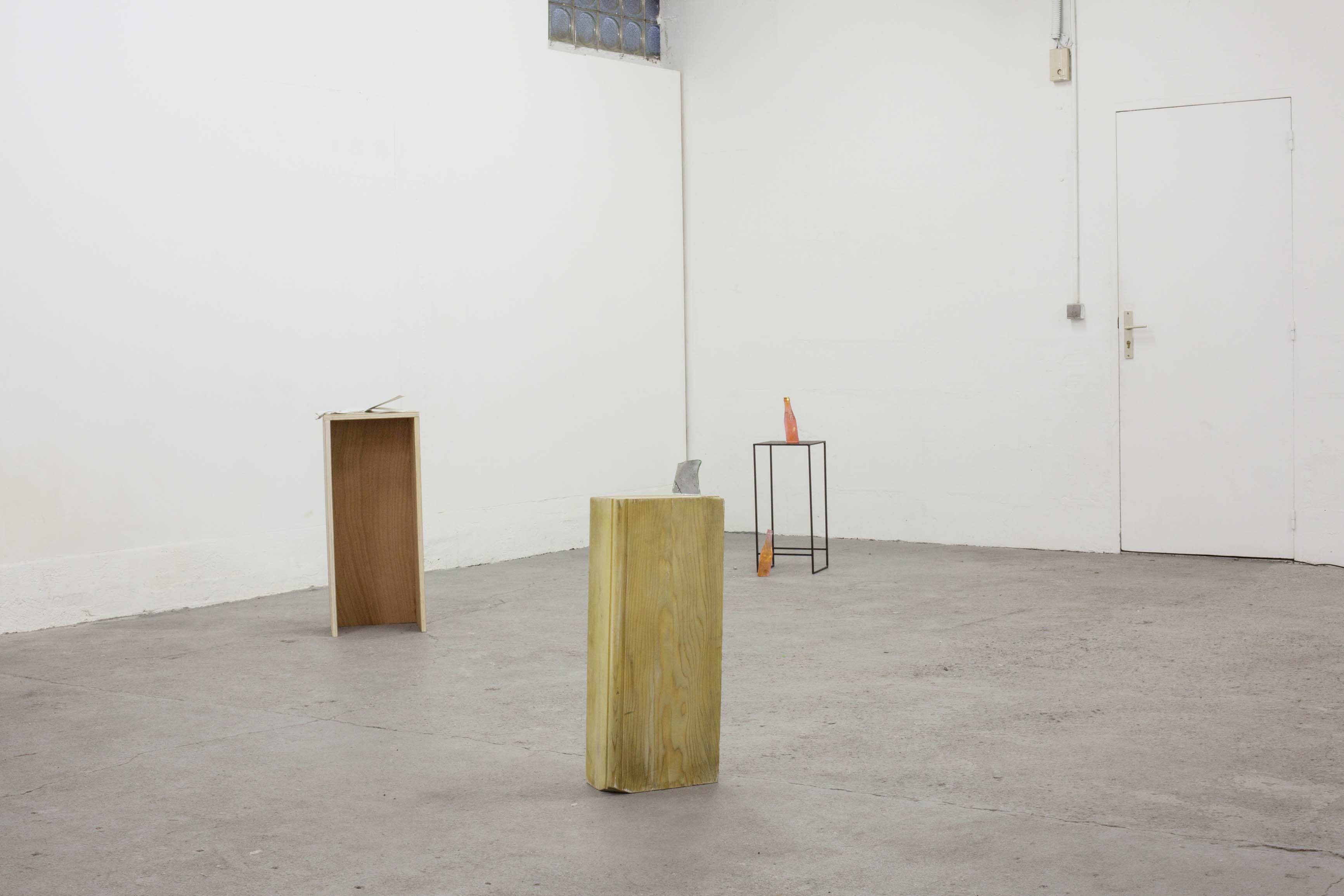
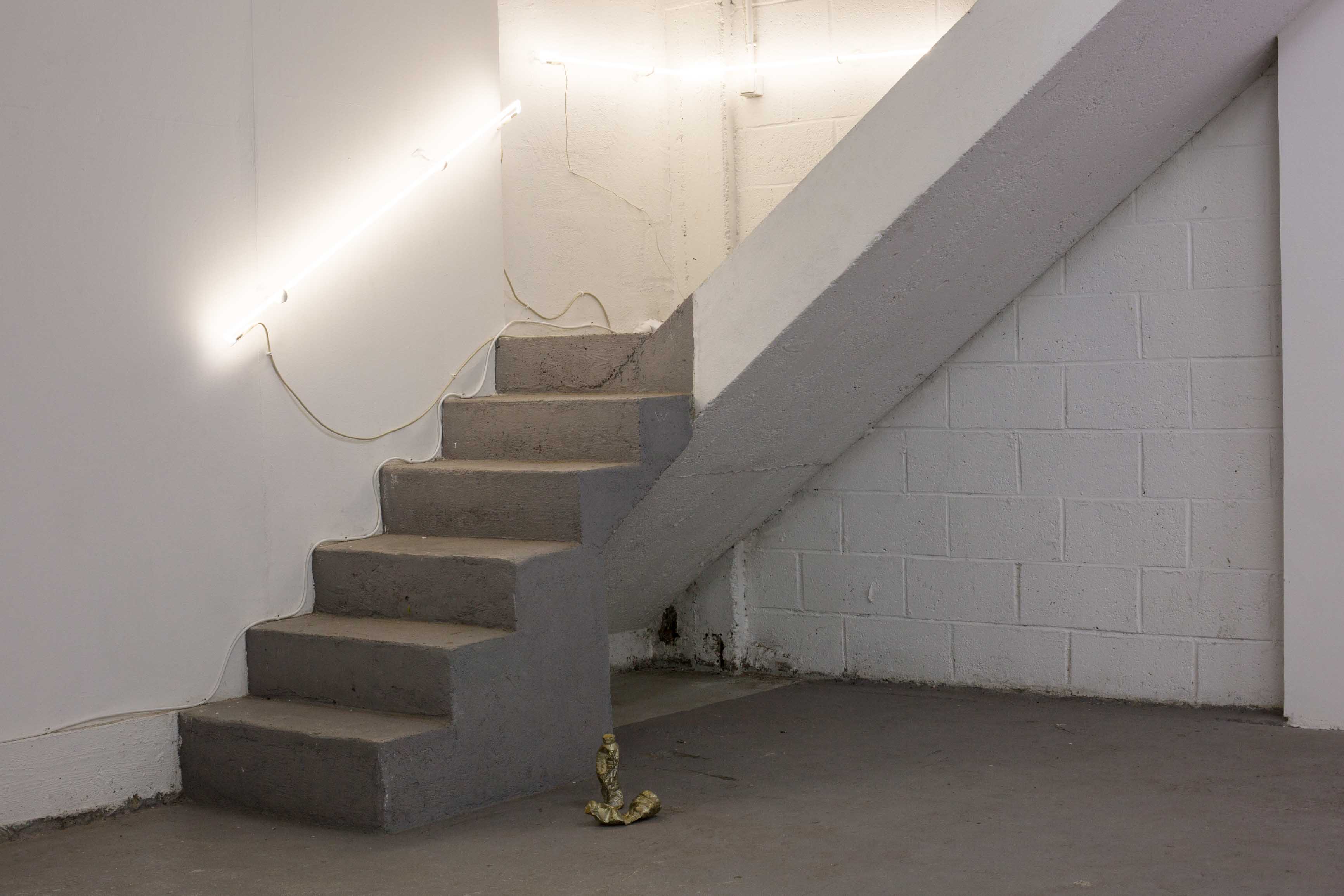
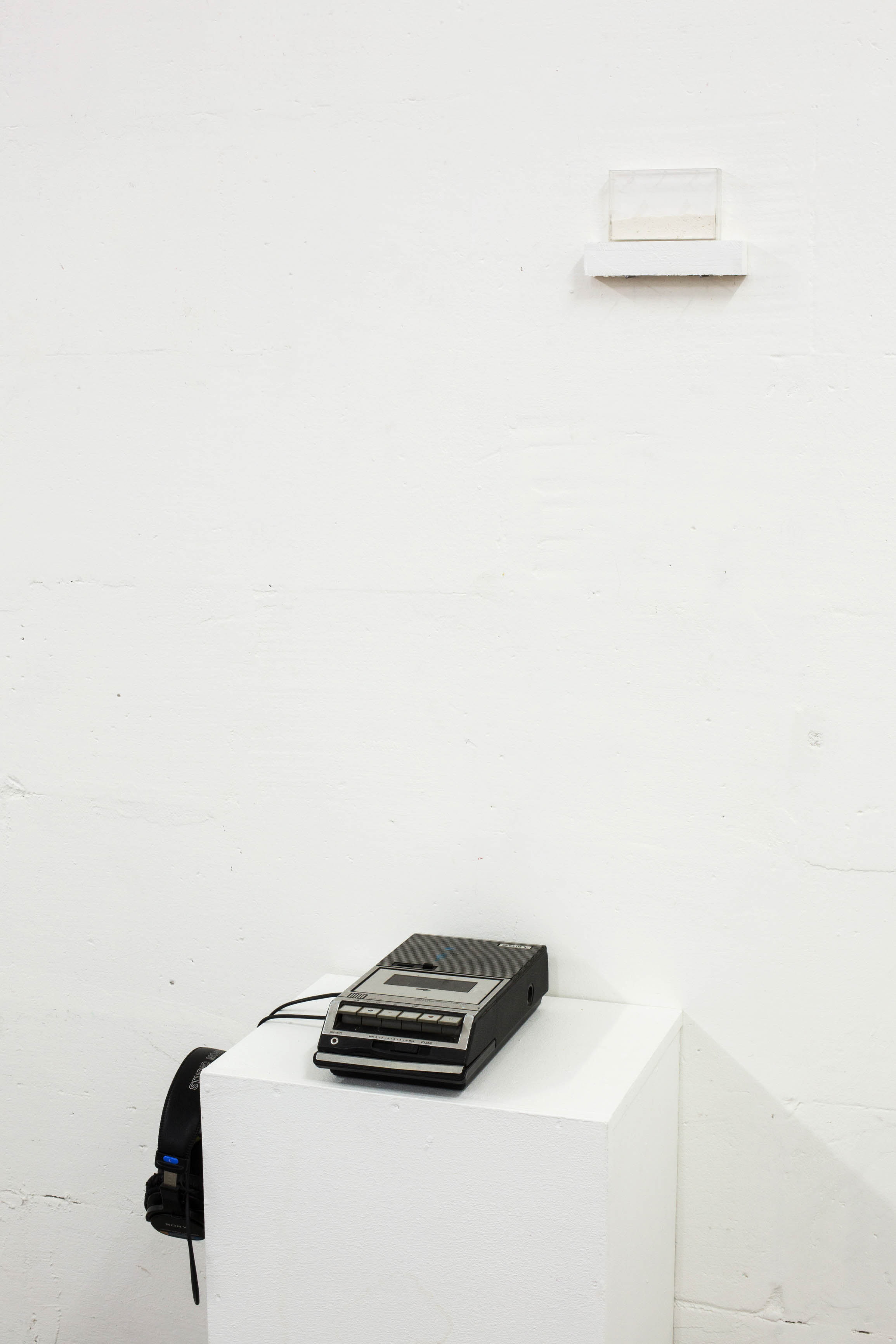
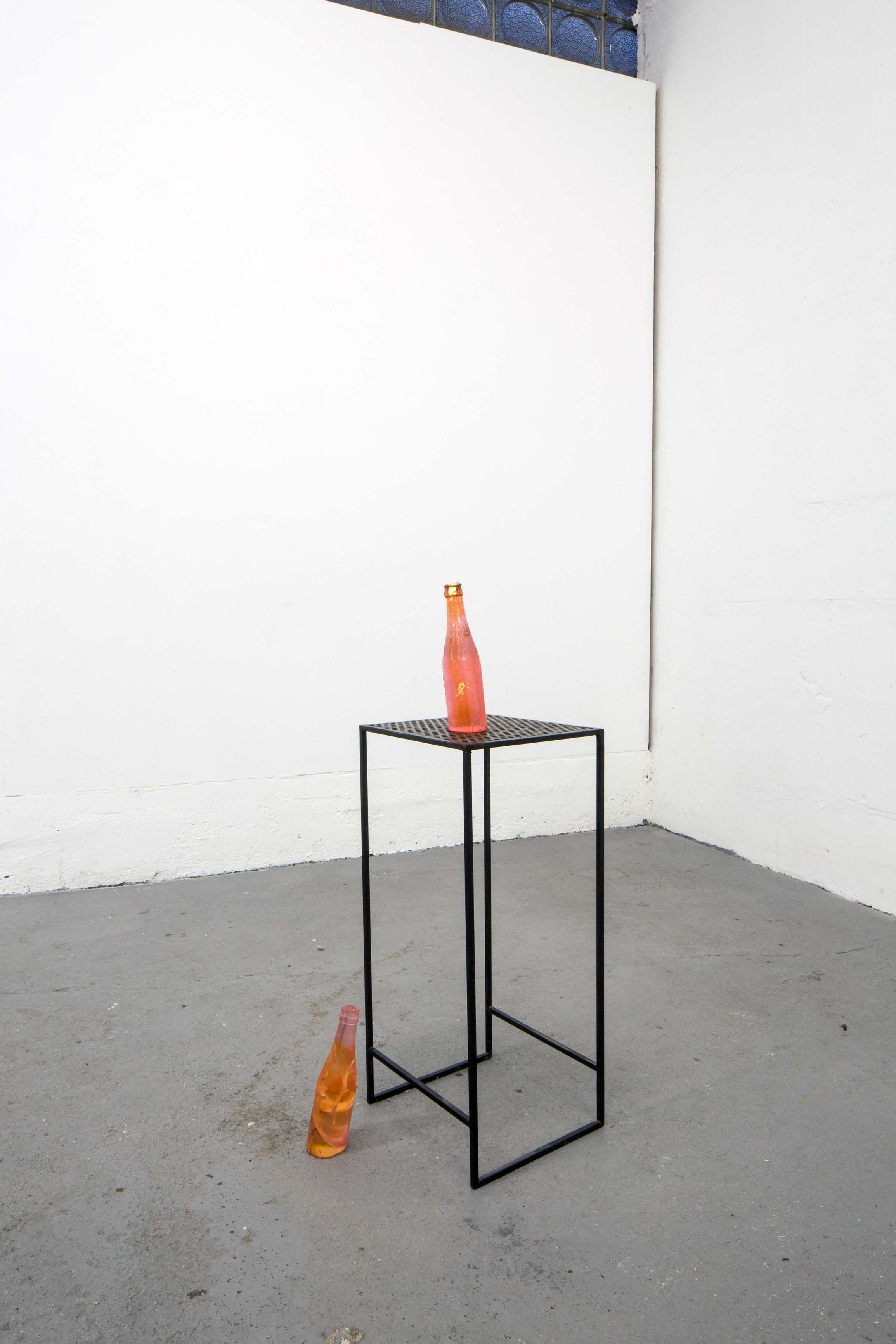
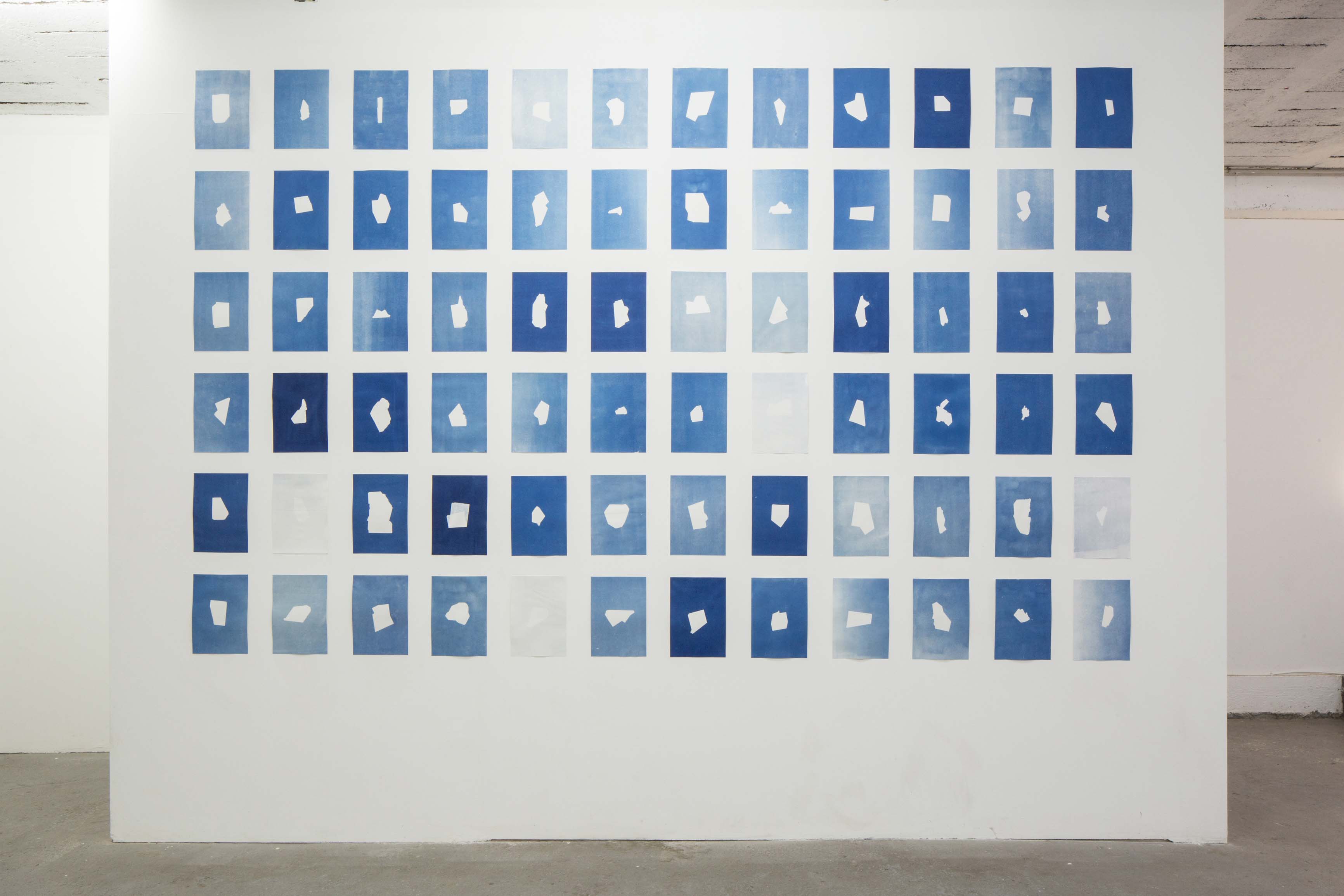
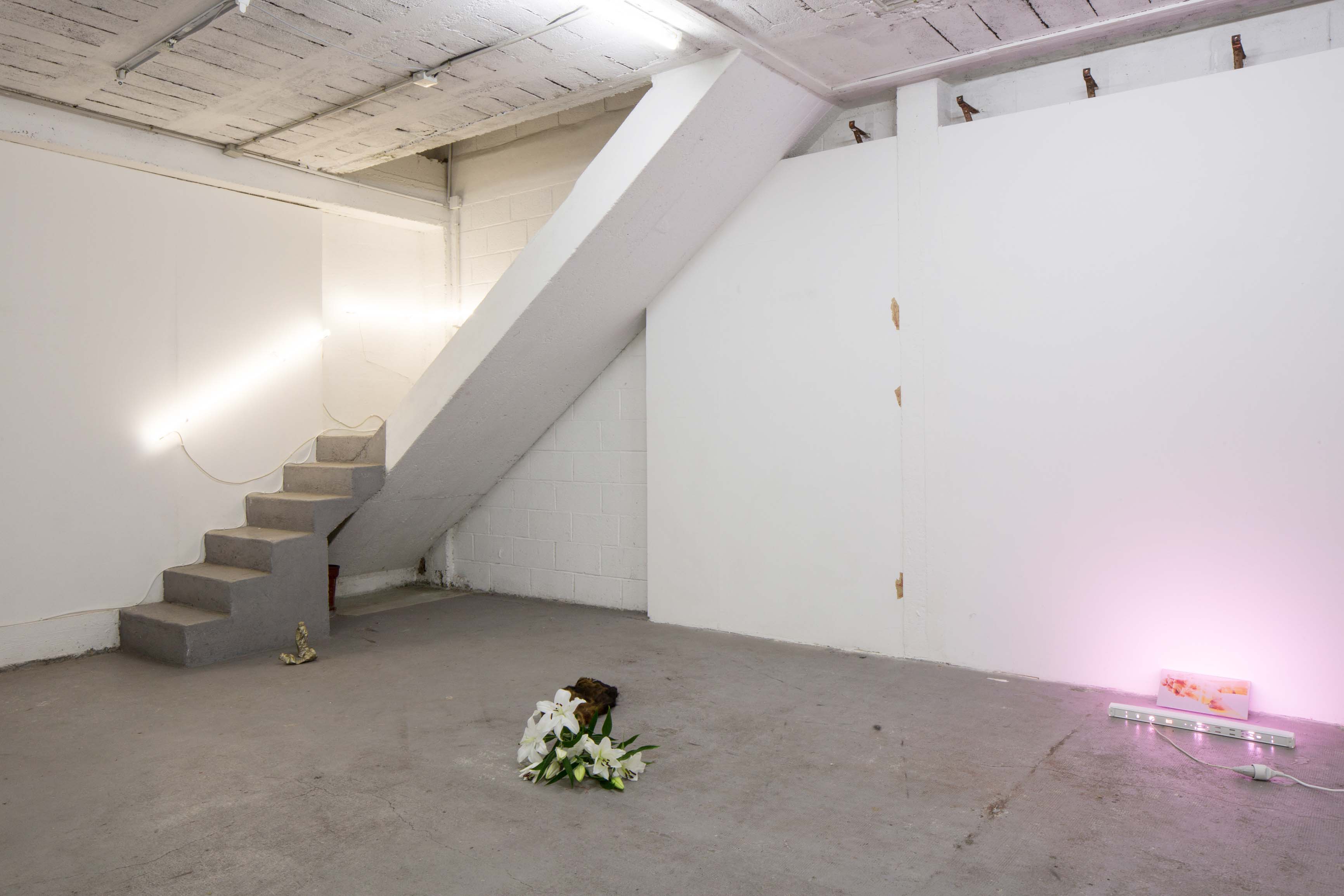
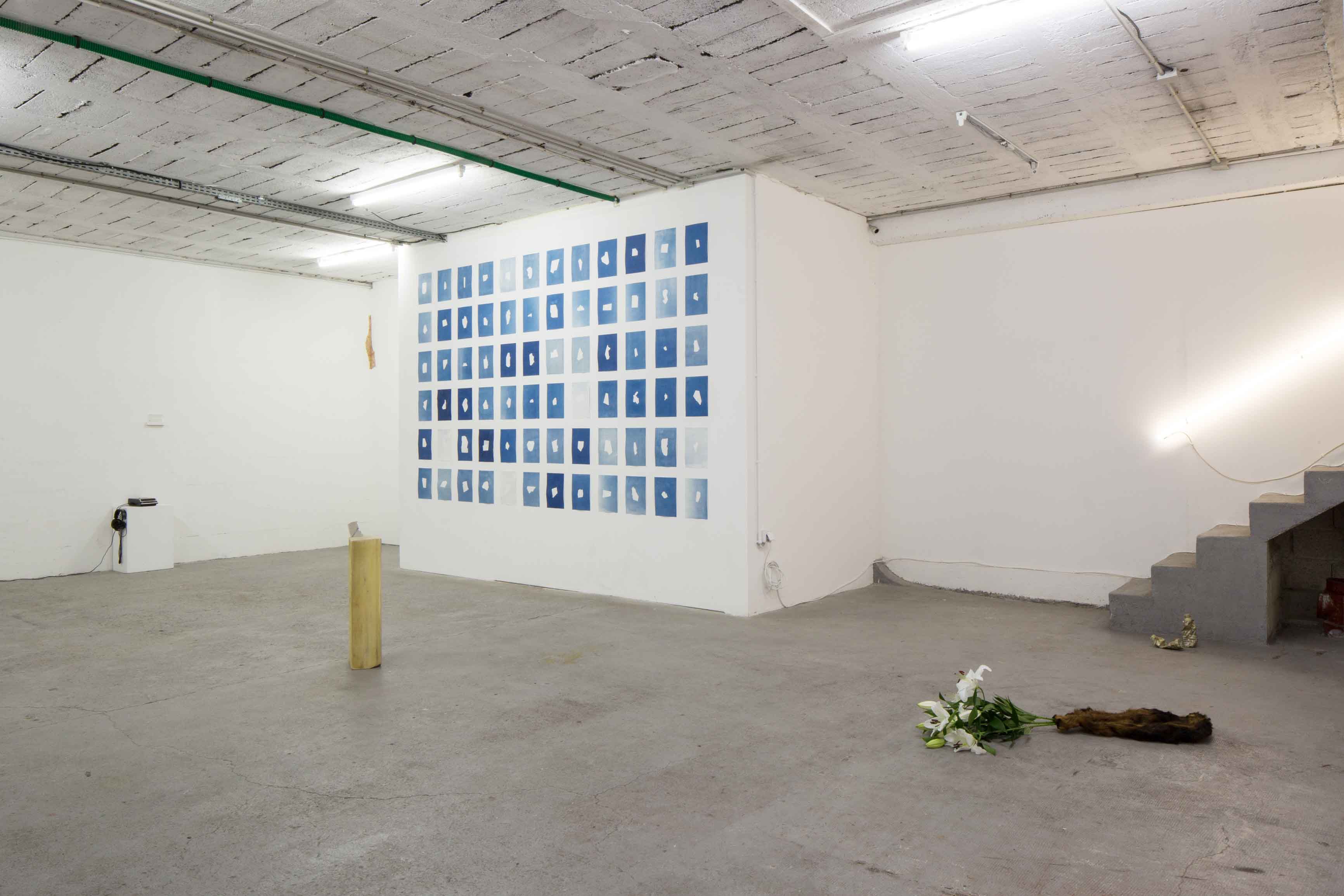
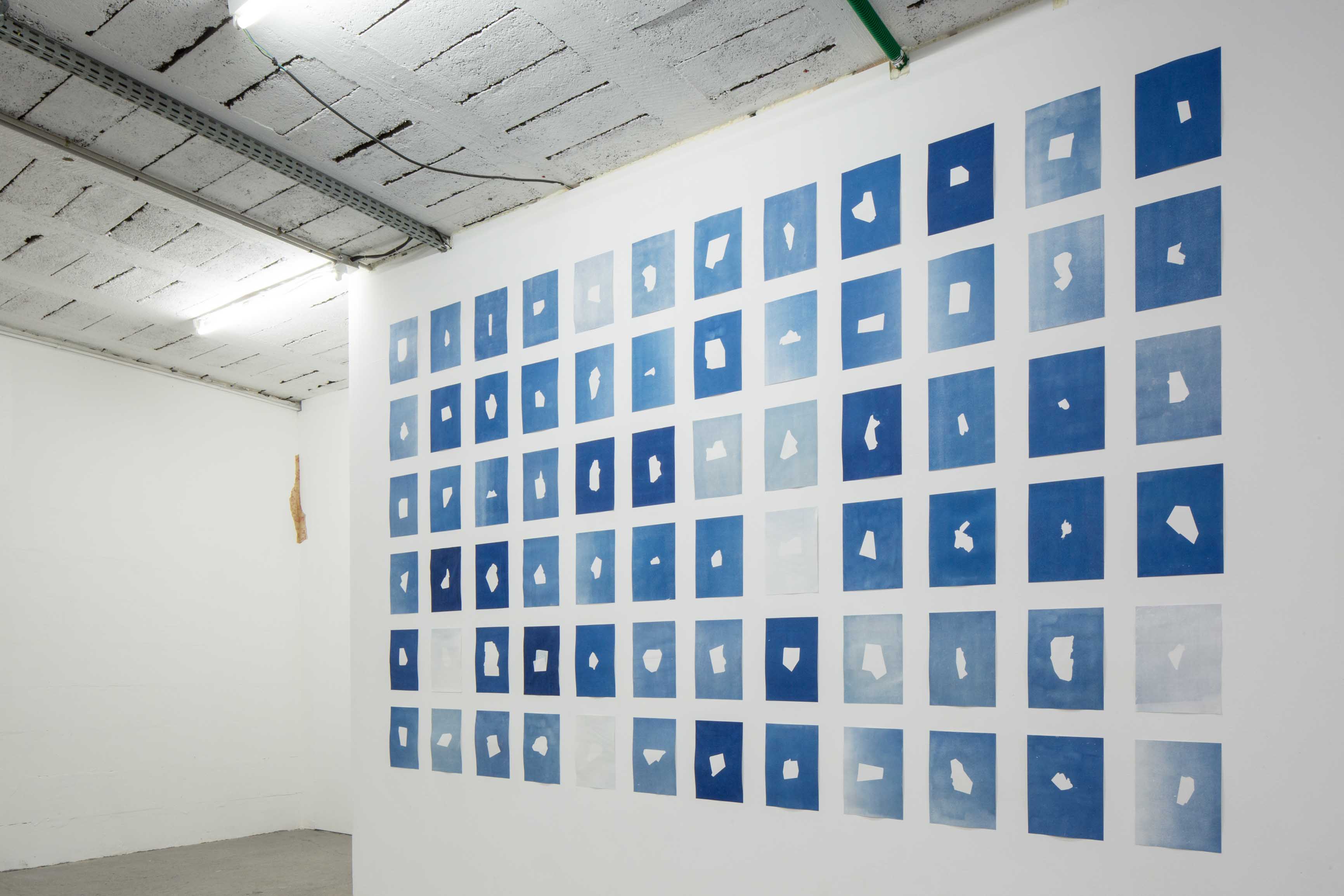
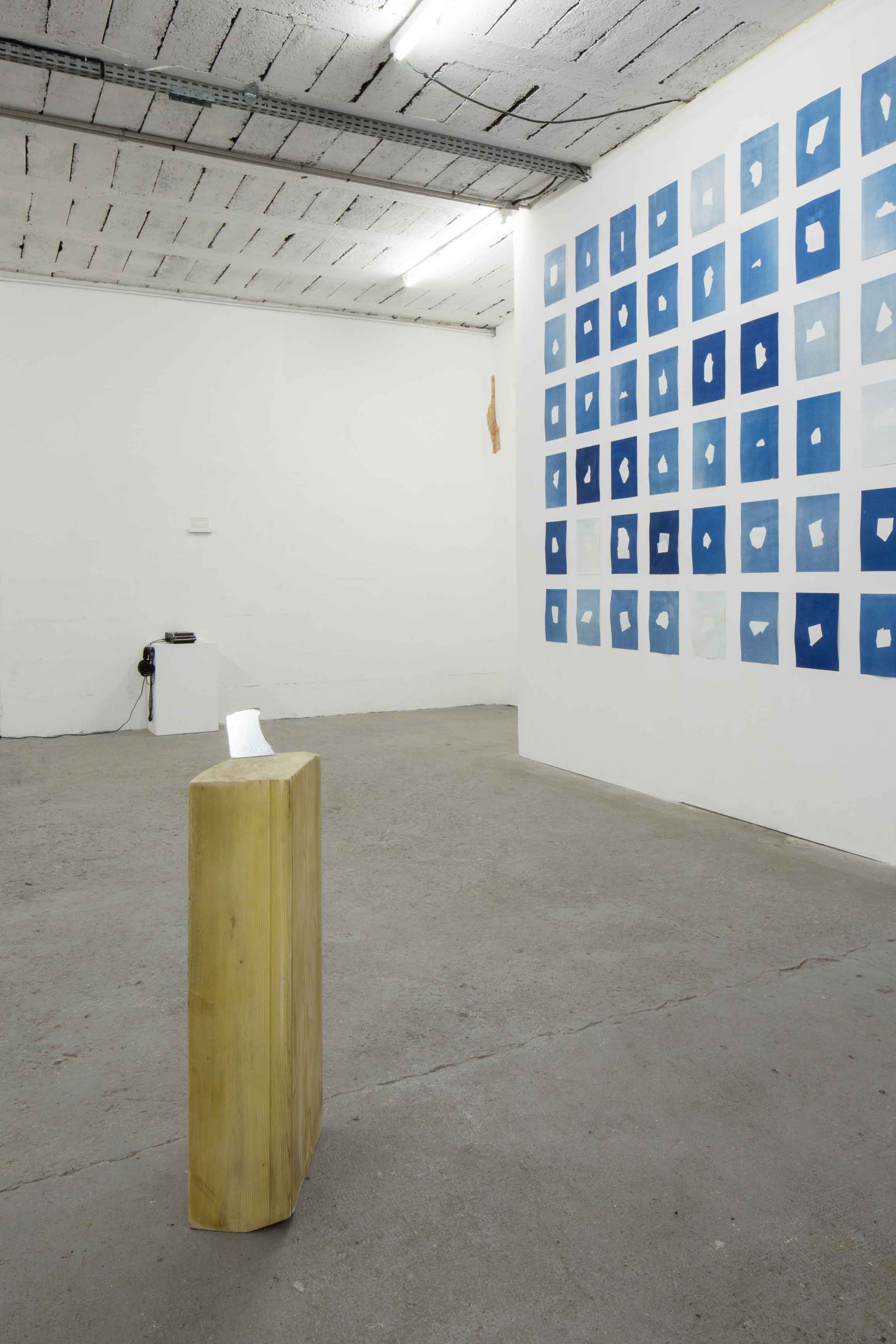
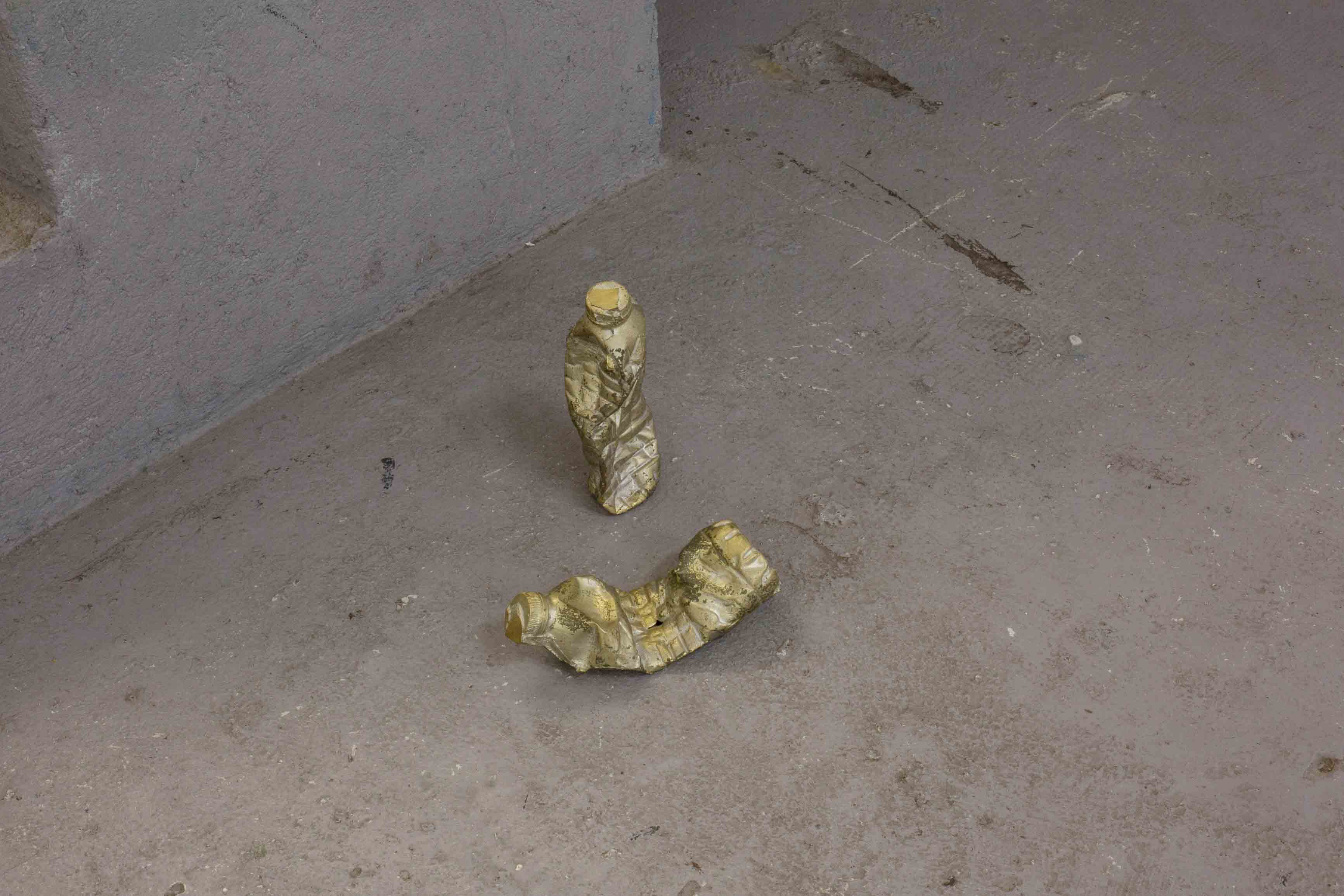
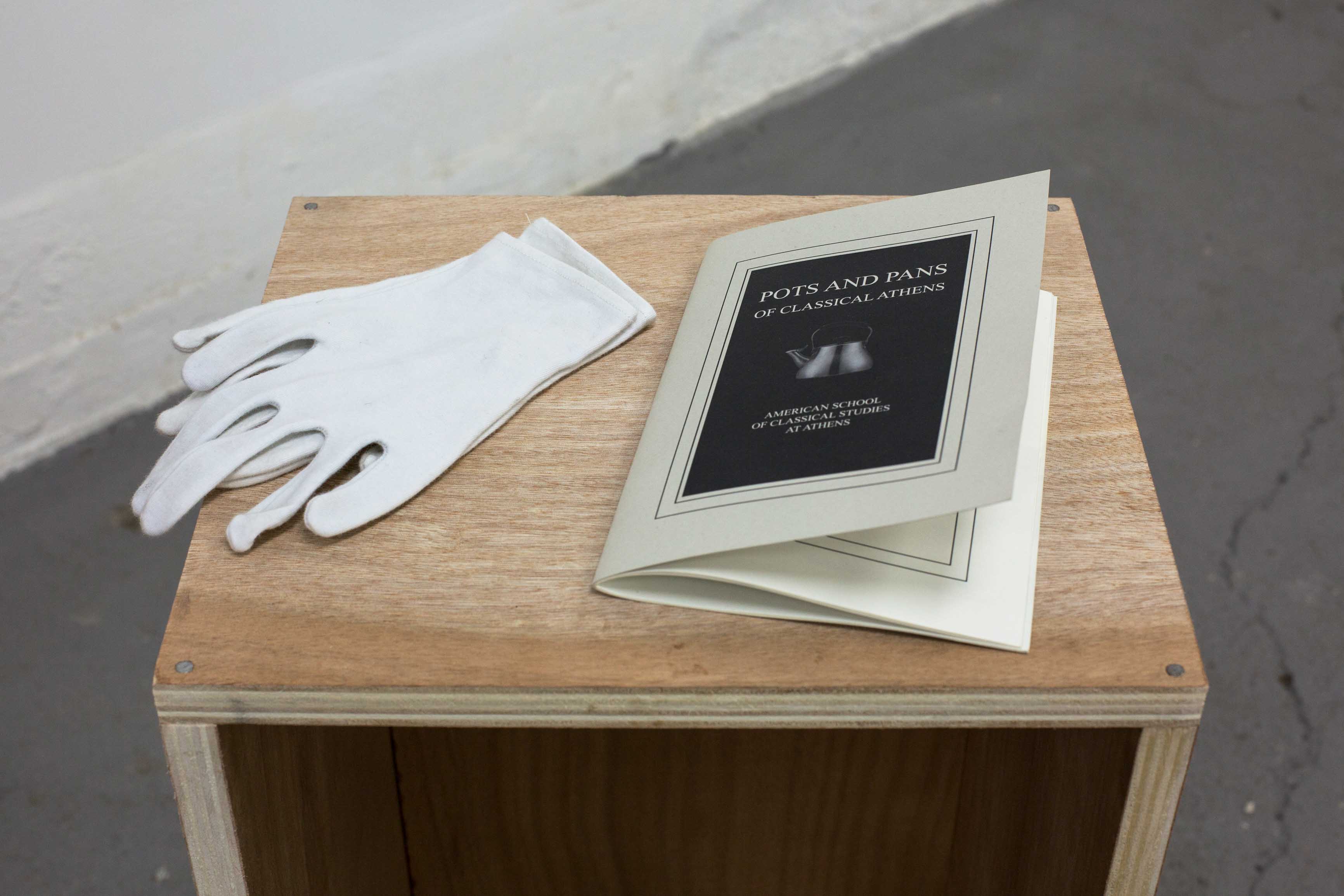
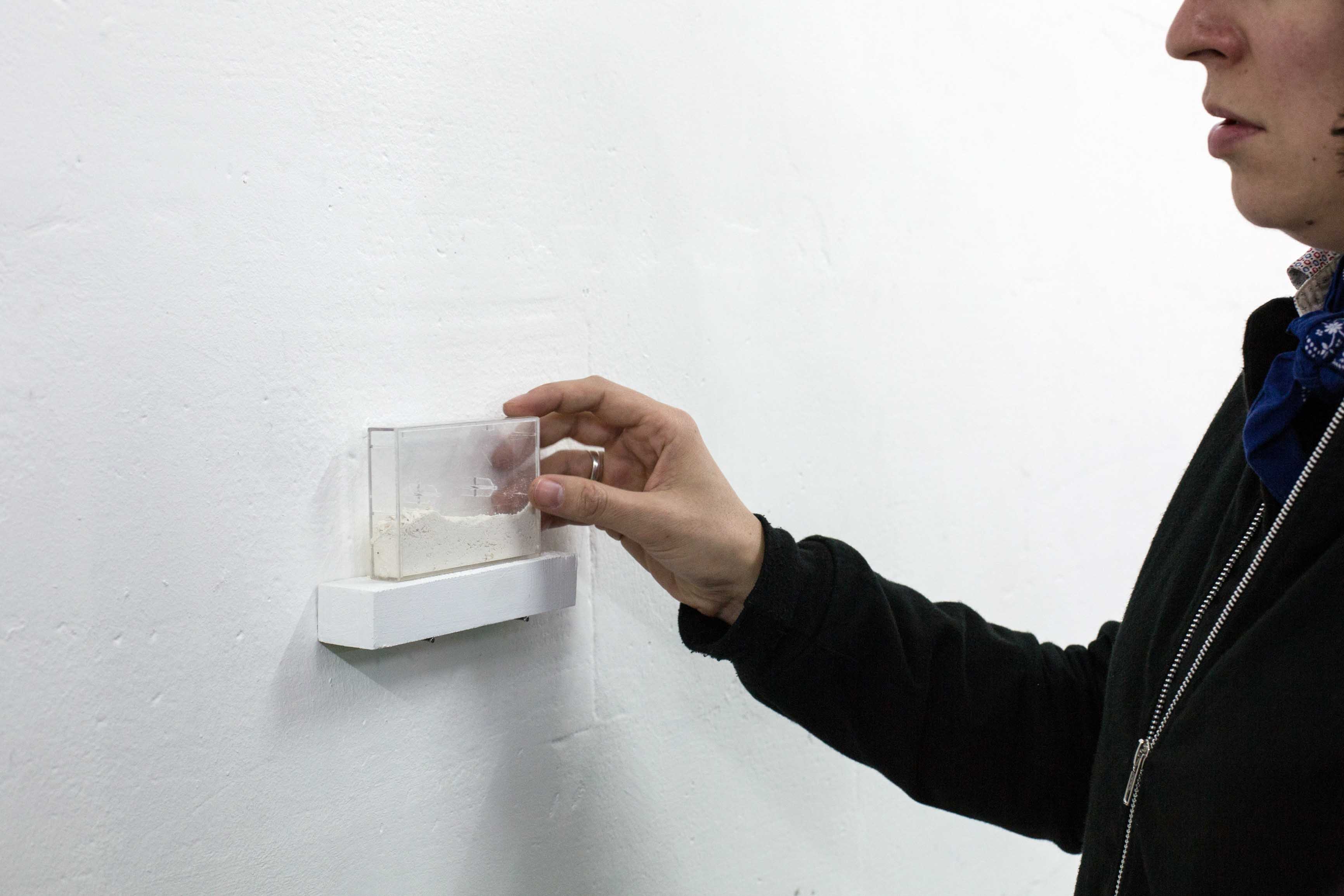
Curated by Eleni Riga for Atelier W, Pantin (FR) with the artist Méryll Ampe, Sabrina Belouaar, Marie Clerel, Florent Frizet, Hadrien Gérenton, Chrysanthi Koumianaki, Yannick Langlois, Vasilis Papageorgiou, Cunming Sun.
The dictionary has failed, something is always escaping. I keep searching, unable to find a satisfactory definition for the “everyday”. Maybe it is because the words do not live in dictionaries; they live in the mind. However, we are not conscious of this imperceptible lack because everyday 1 gestures are covered by the thick layers of habit. We are going to remove the dust.
Two or three words only are used to describe the everyday, unable to give its full content, created under the influence of different sciences such as philosophy, psychology, sociology, politics or art since 19th century. The most common word that is used to describe the most common gestures is a subject analysed by a very long list of books. Nevertheless, we are still looking for its meaning and consequently, the meaning of our entire life and existence.
Even if we consider that the great minds of the last two centuries have accomplished to describe the everyday of their own time, taking into consideration the social, political and geographical context, a timeless definition would be impossible since everyday gestures depend on the media we are using to accomplish them. For instance, if we are examining the gesture of drinking water from different water containers or writing on different surfaces , we reach the conclusion that our everyday gestures 2 have been changed by the technical progress. The tools we are fabricating, the media we are inventing, model directly or indirectly our life, our thinking, our art .
By repeatedly using these tools, we learn how to execute everyday gestures imposed by them again and again and we are giving them a new meaning, unique, adequate…satisfactory. They are usually gestures immanent to our cellular memory, obtained or learned unconsciously really early. When these gestures are repeated in a different contexts than the original with a twisted purpose, they change completely.
The repetition is often expressed through the mechanical production, especially after the industrial revolution when a new species of man was born. The “manmachine” known from Charlie Chaplin’s Modern Times or Simon Weil’s La condition ouvrière . The human body, becomes a simple 4 prolongation of the machine and the labor conditions are organised based on the machine’s way of functioning.
According to philosopher Vilém Flusser, the worker becomes one of the functions of the machine and loses his selfconsciousness. However, there are other media like the camera that can liberate us from the machine’s tyranny. In this case, the body and the tool are interconnected and interpenetrating.
The artists also use these tools in order to penetrate in the body of the everyday and remediate this deficiency. But as we keep inventing new tools, important enough to change our gestures, the repetition will not stop. Every day will be just a new version of the previous one. Lifting my head from the dictionary, i see through the window, the lives of ordinary people unfolding before eyes.
 Eleni Riga
Laisser un commentaire